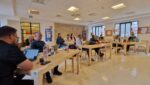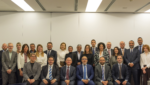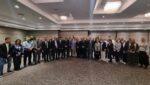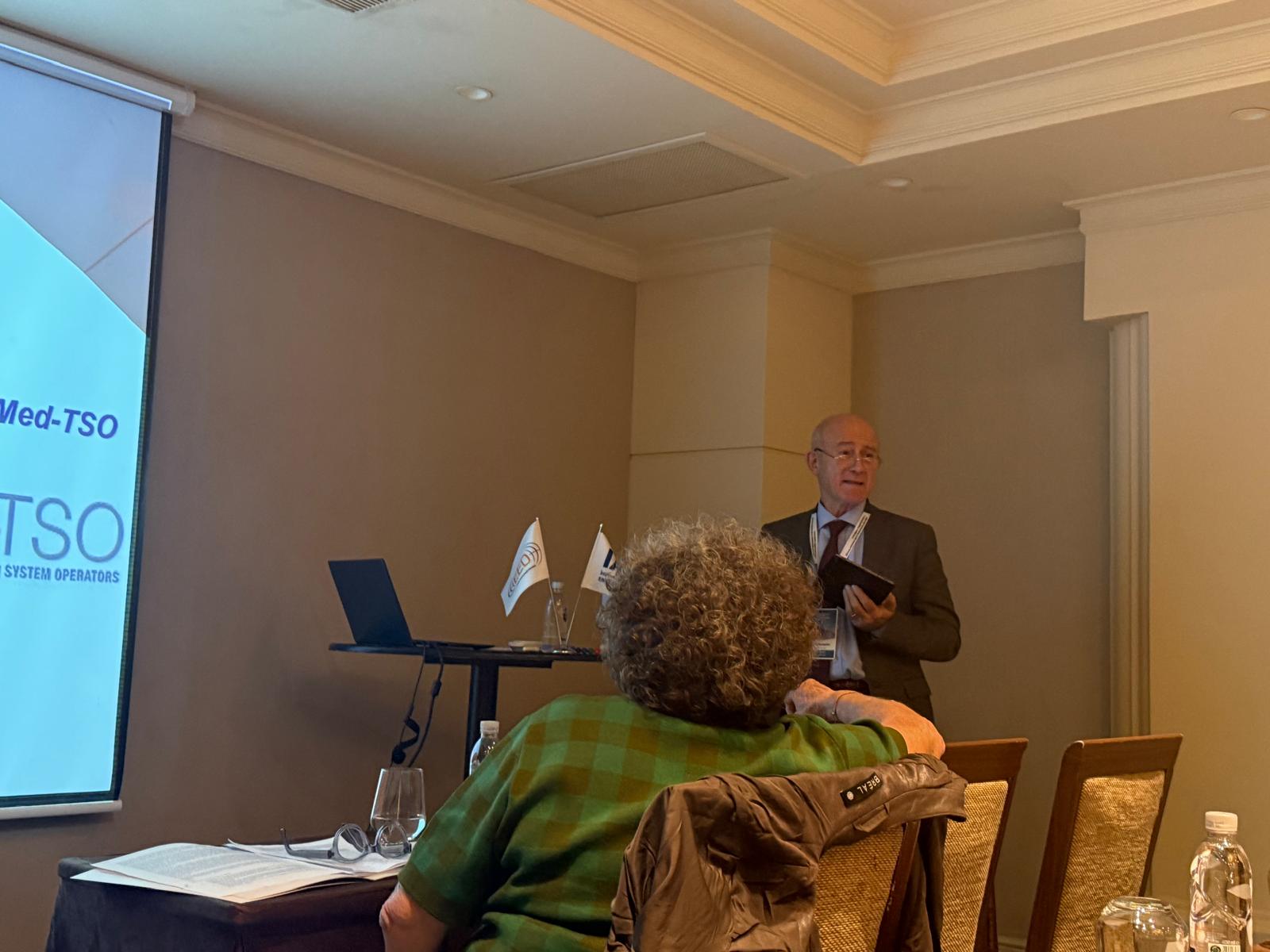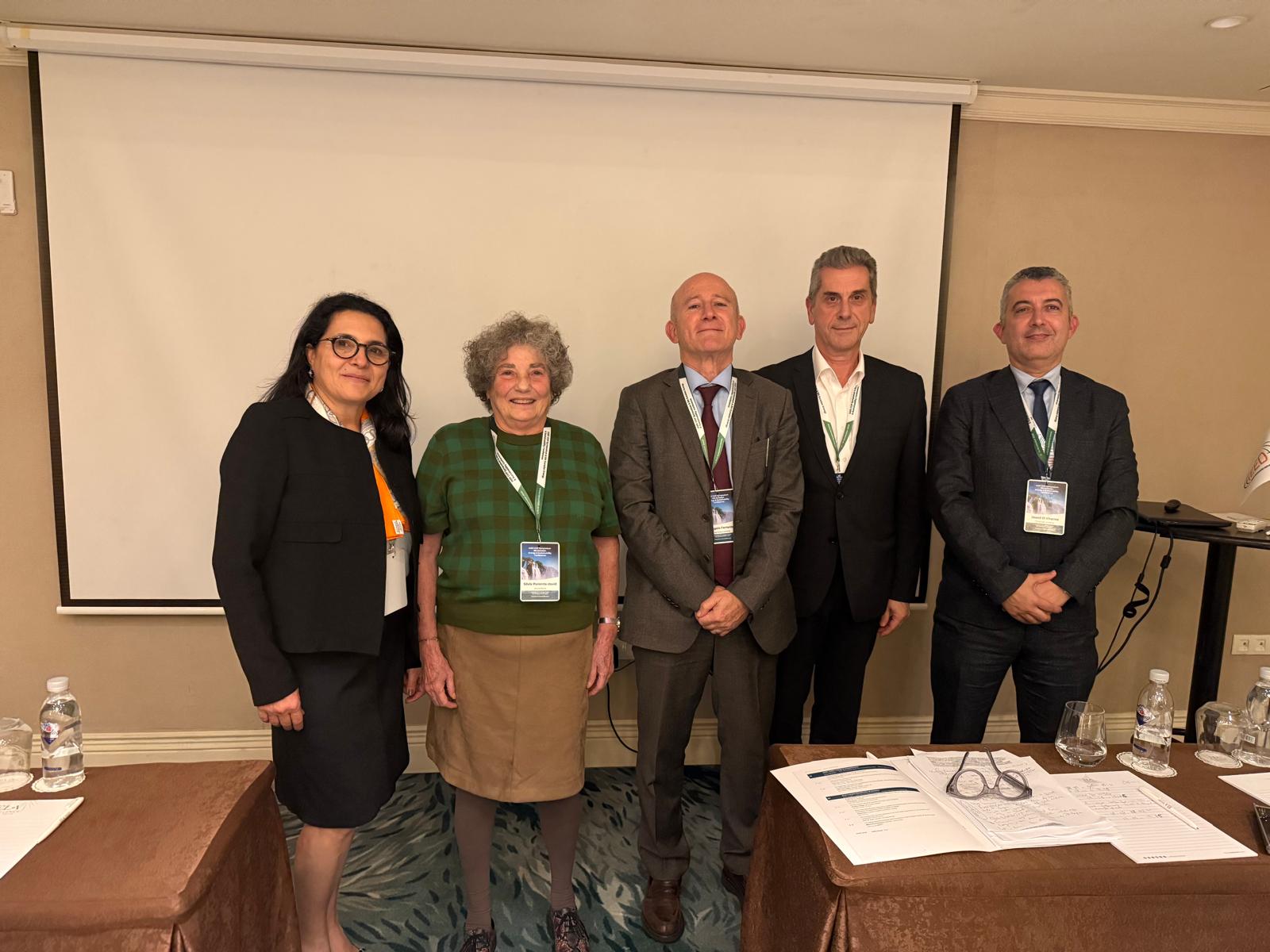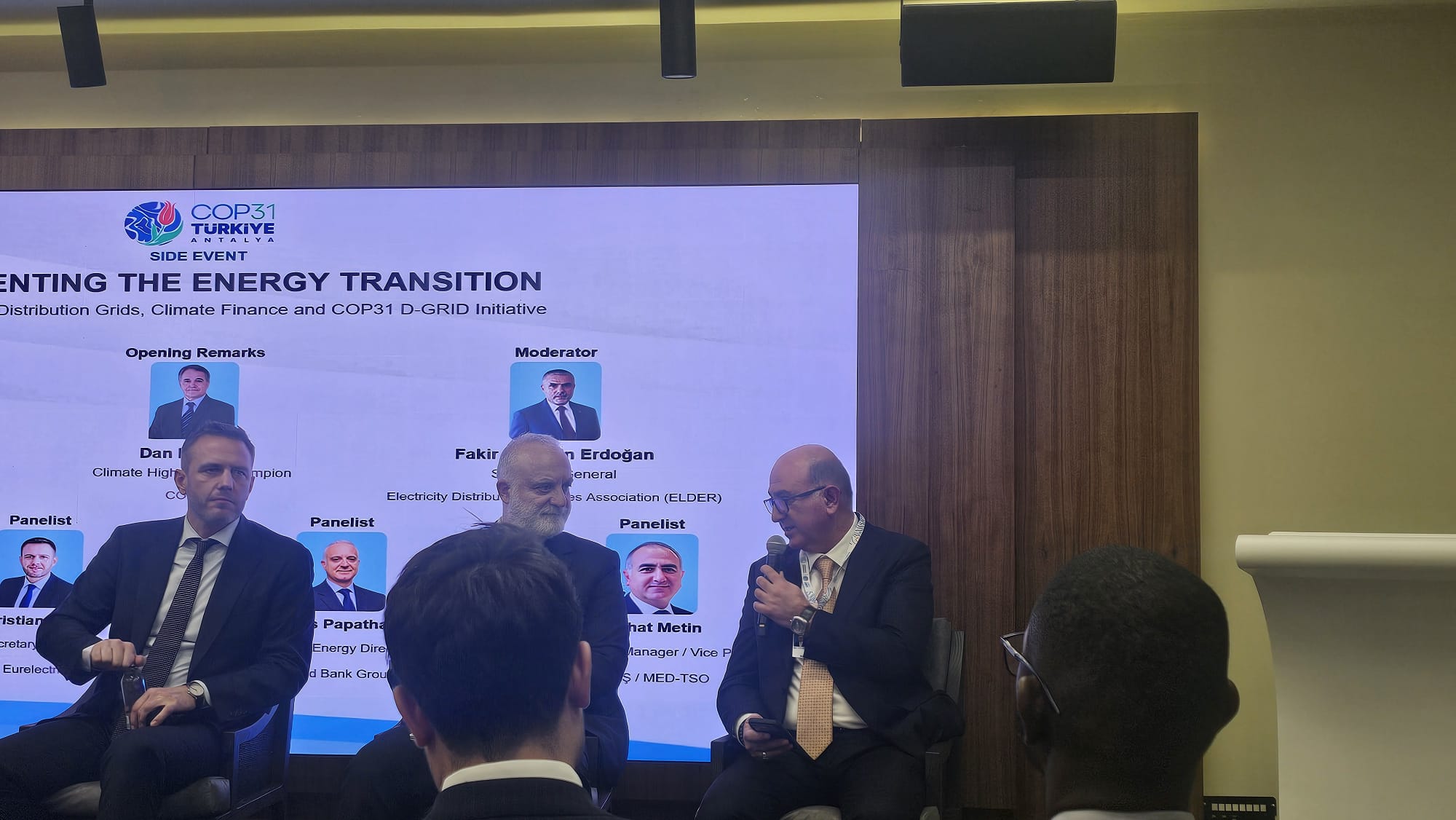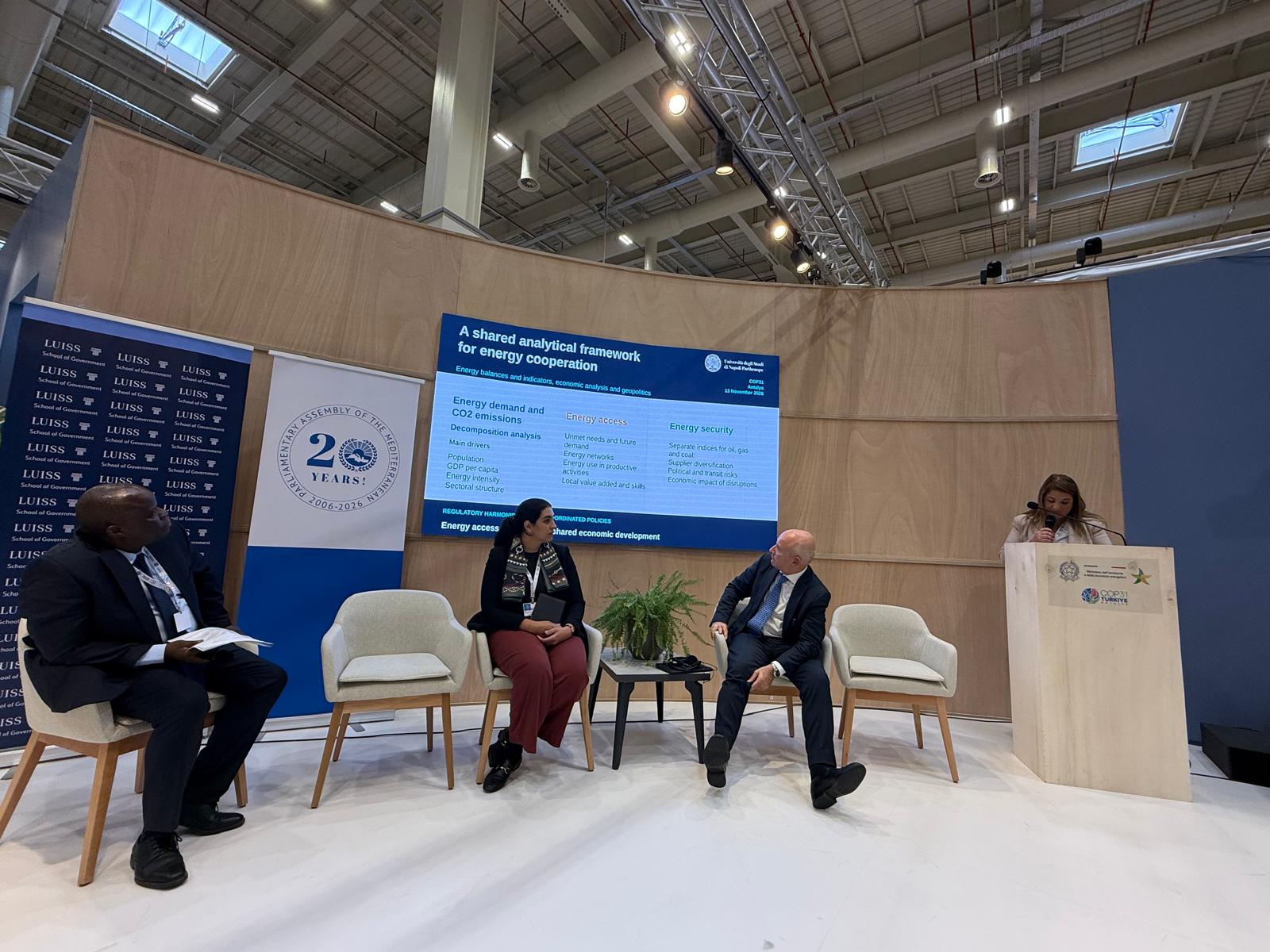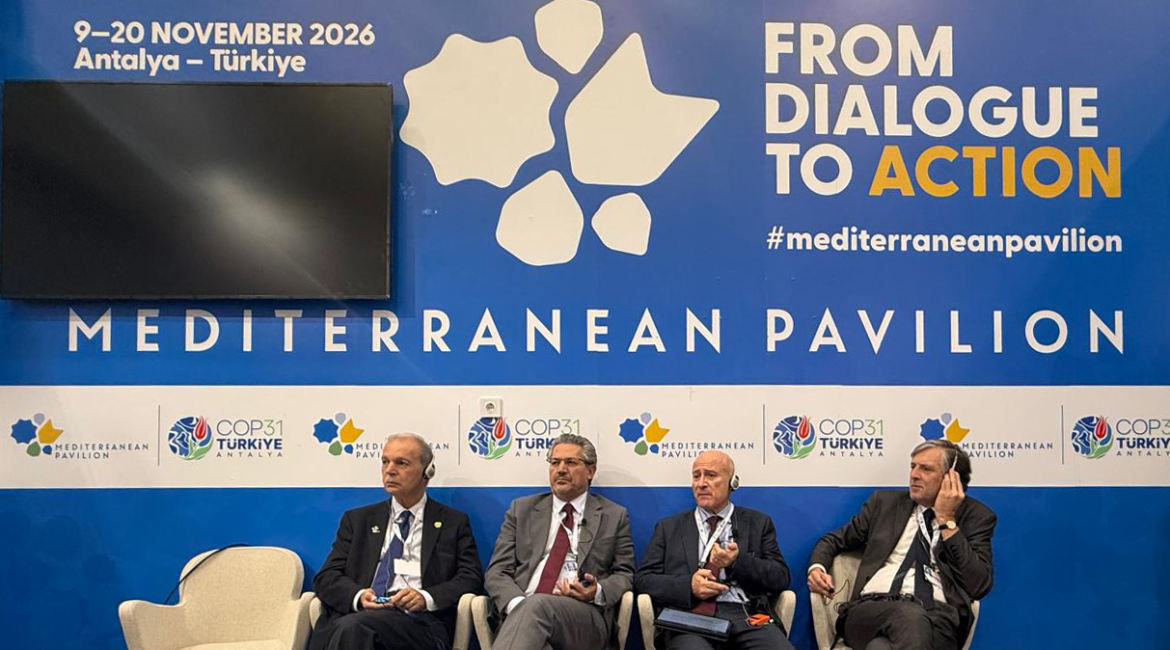
Last week, Med-TSO representatives participated in several events during COP31 in Antalya, Türkiye. Vice Presidents Serhat Metin (TEIAS, Türkiye) and Jason Besga (RE, Spain), along with Secretary General Angelo Ferrante, presented Med-TSO’s perspective and engaged with key stakeholders – including EC, IRENA, UfM, MEDREG, OMEC, PAM and IEA – across the Mediterranean energy landscape.
Developing long-term energy scenarios and ensuring power sector resilience in the Mediterranean requires a shift from isolated national measures toward a unified regional perspective based on multilateral cooperation and stronger cross-border interconnections. To support this, COP31 must recognize electricity grids as primary enablers of the energy transition, emphasizing the need to build flexible, resilient systems to effectively utilize renewable energy and guarantee security of supply.
Achieving this progressively integrated regional architecture does not mean imposing a single uniform regulatory model. Instead, it relies on three main pillars: harmonizing compatible planning methodologies, ensuring consistent data exchange, and establishing technical interoperability among transmission system operators. Furthermore, by embedding climate risks and system adequacy directly into joint planning, and combining physical infrastructure investments with coordinated operation, the region can build a common technical framework.
This shared approach will allow governments, grid operators, regulators and financial institutions to accelerate investment and properly allocate risks for funding the regional corridors necessary for a secure Mediterranean power system.