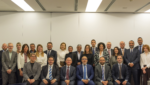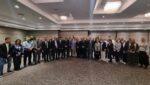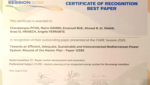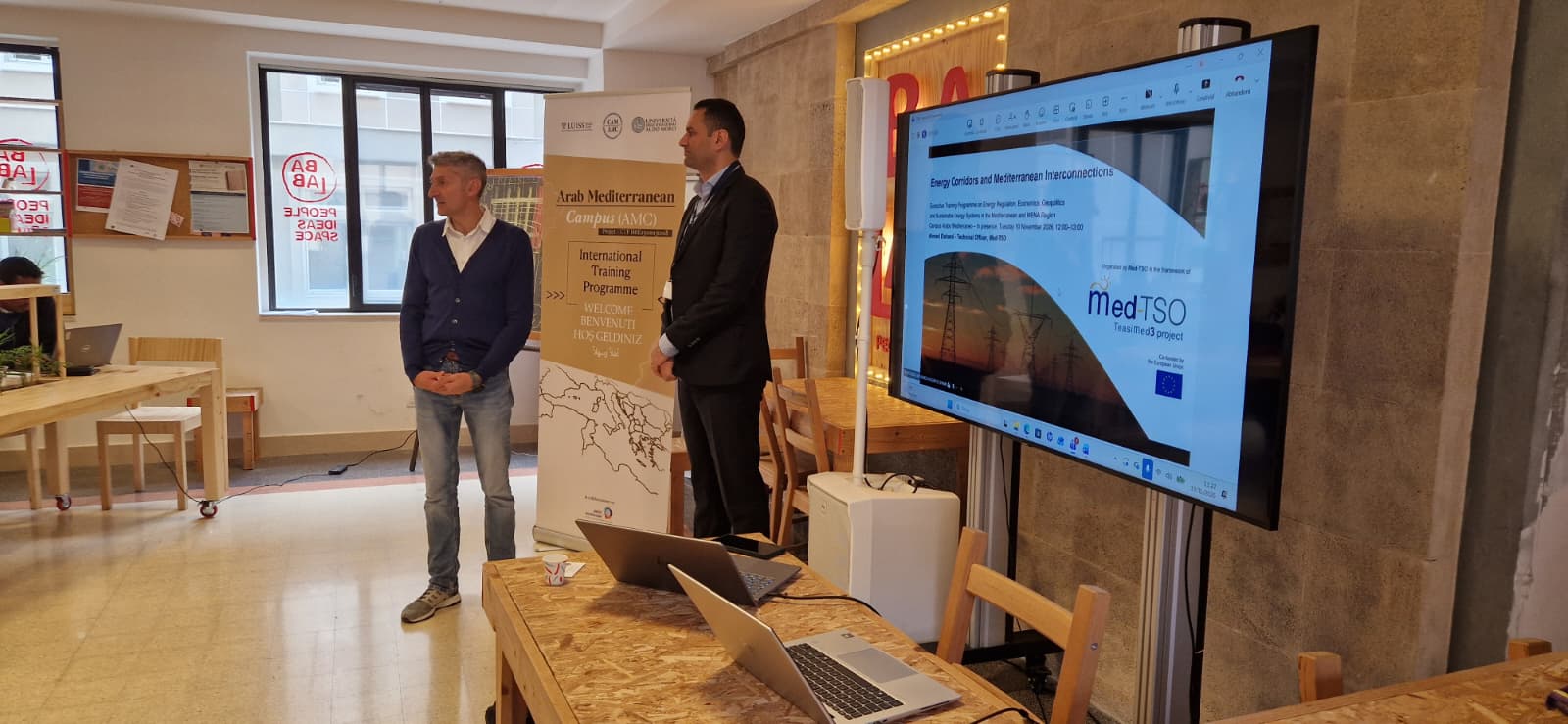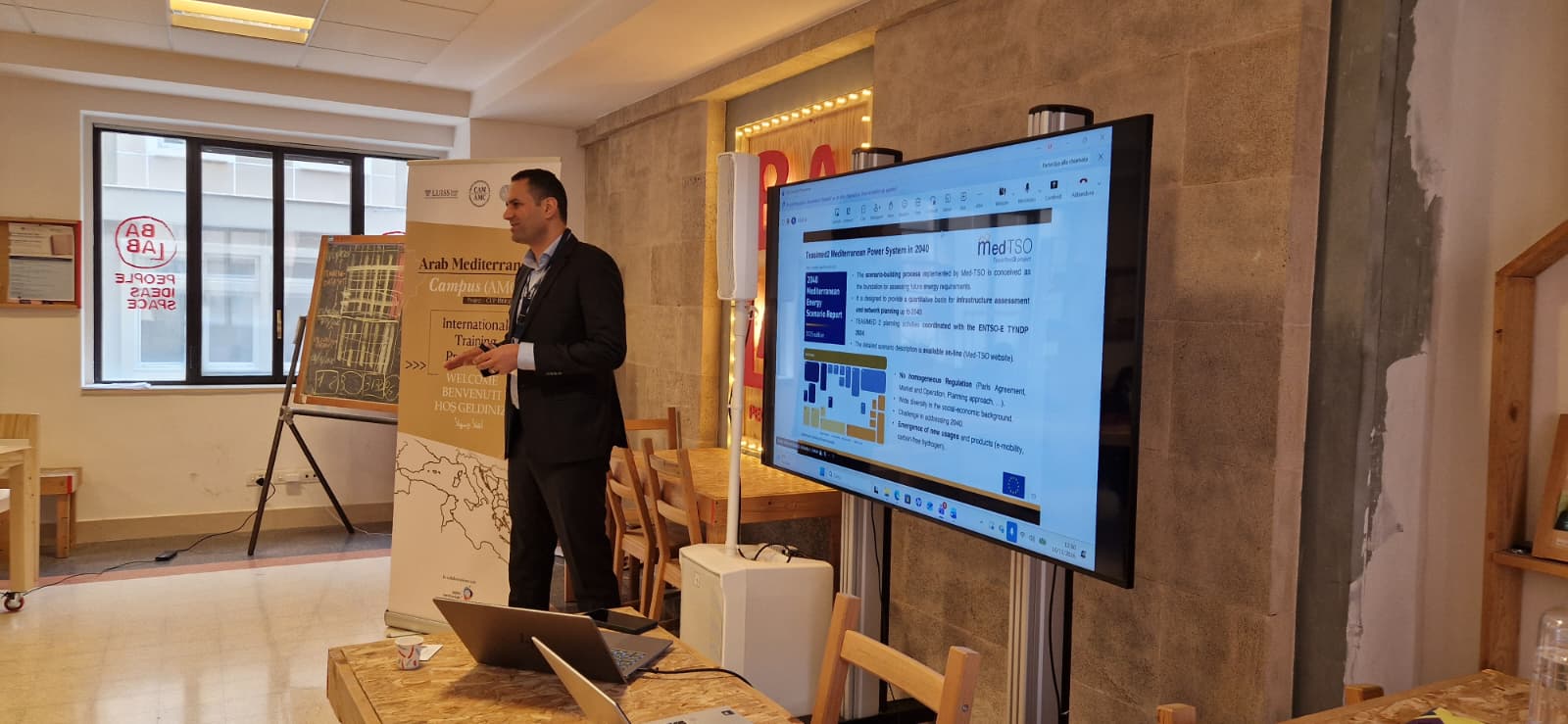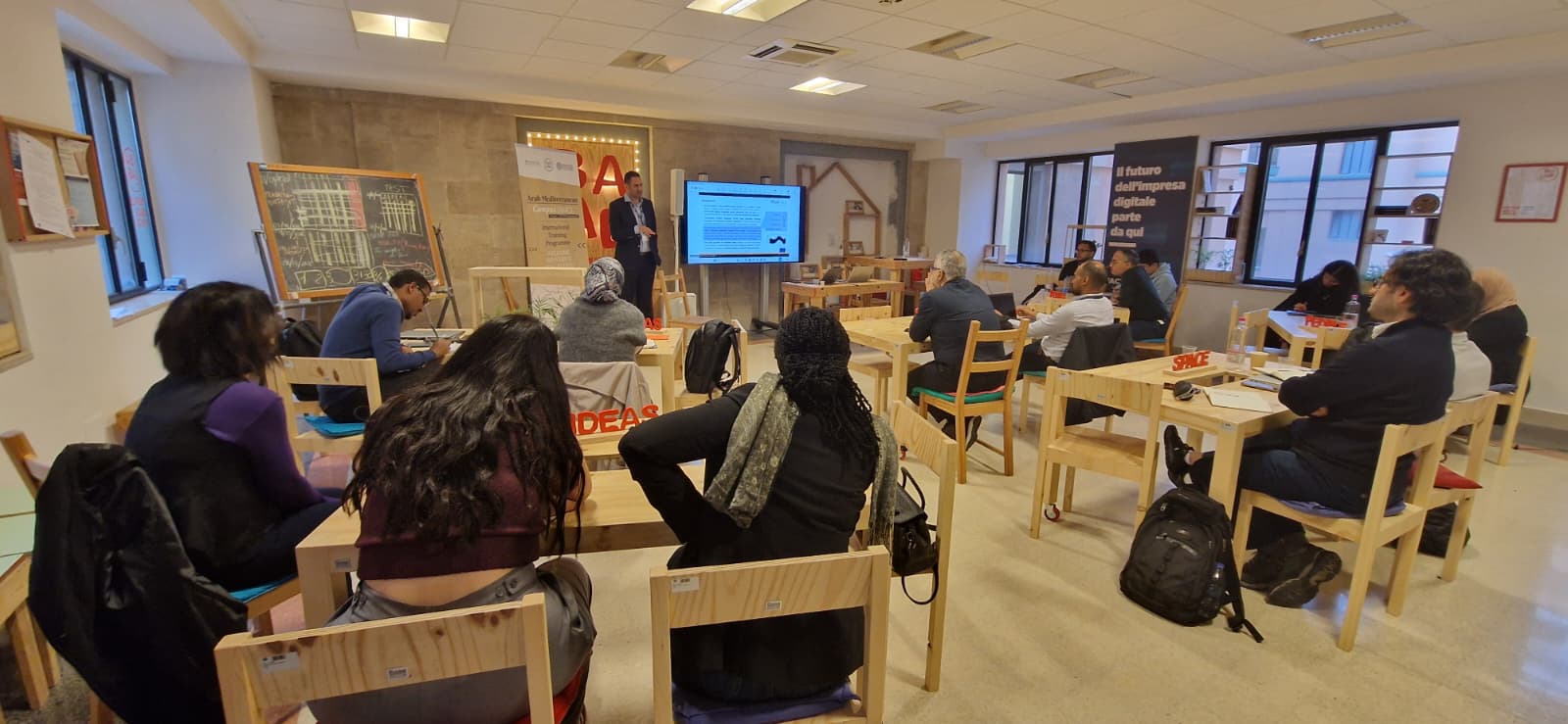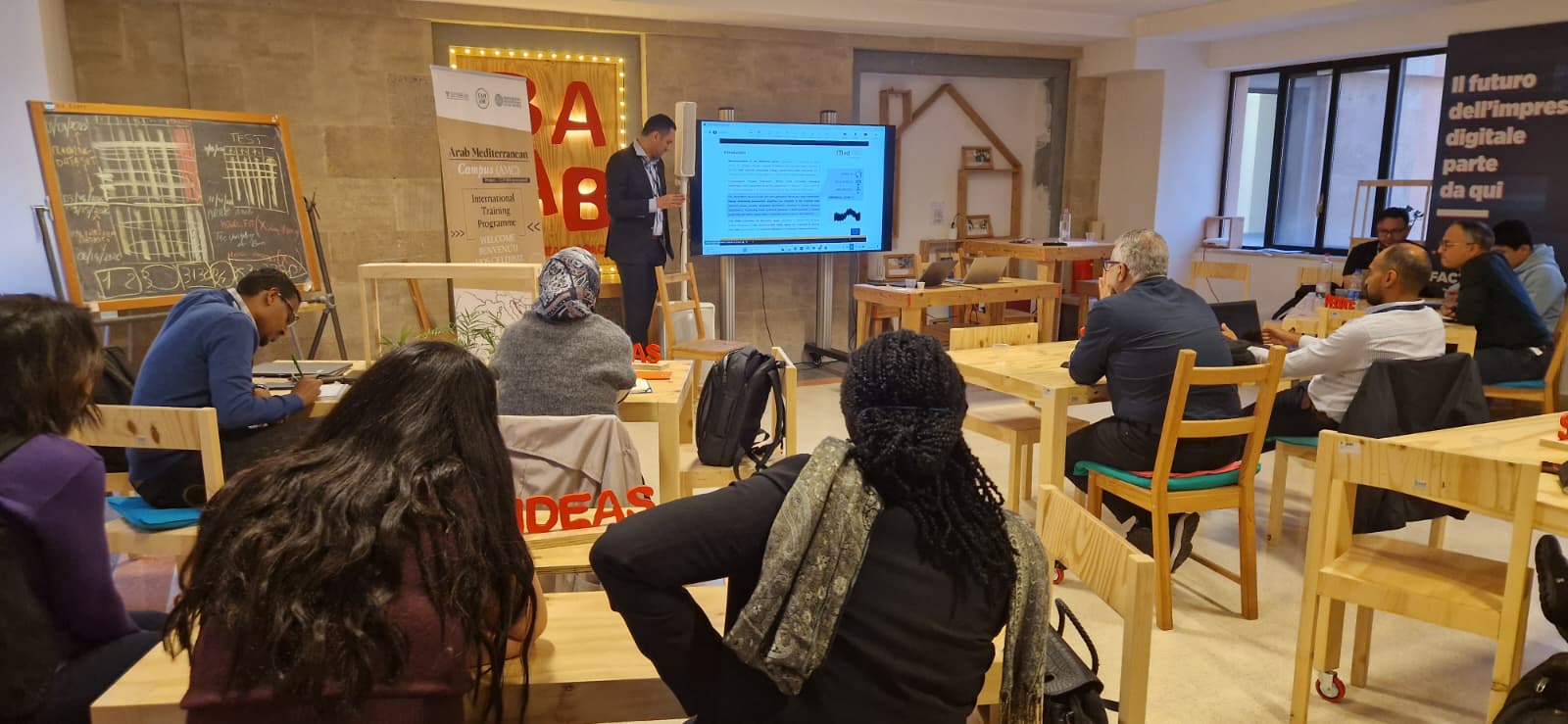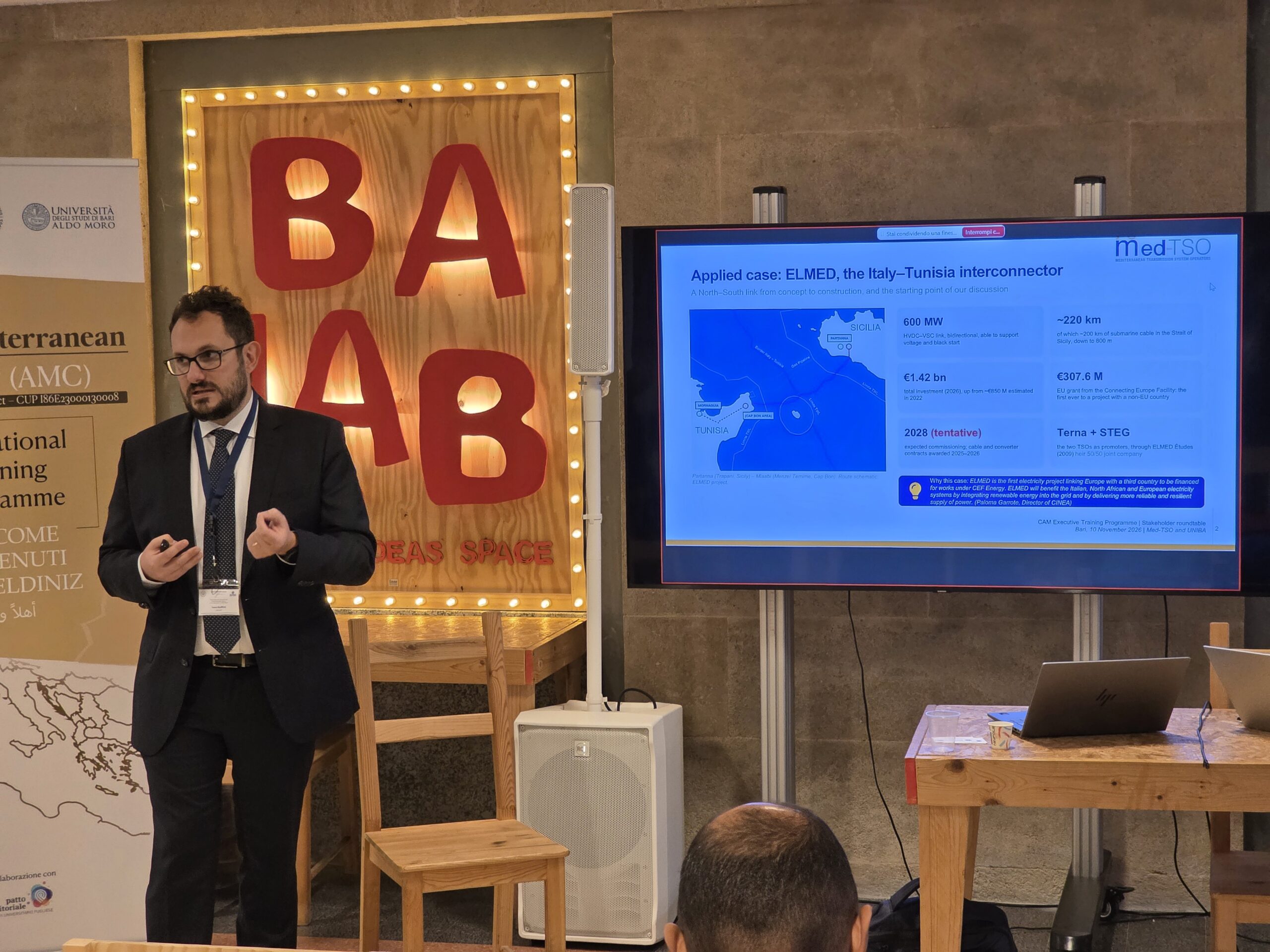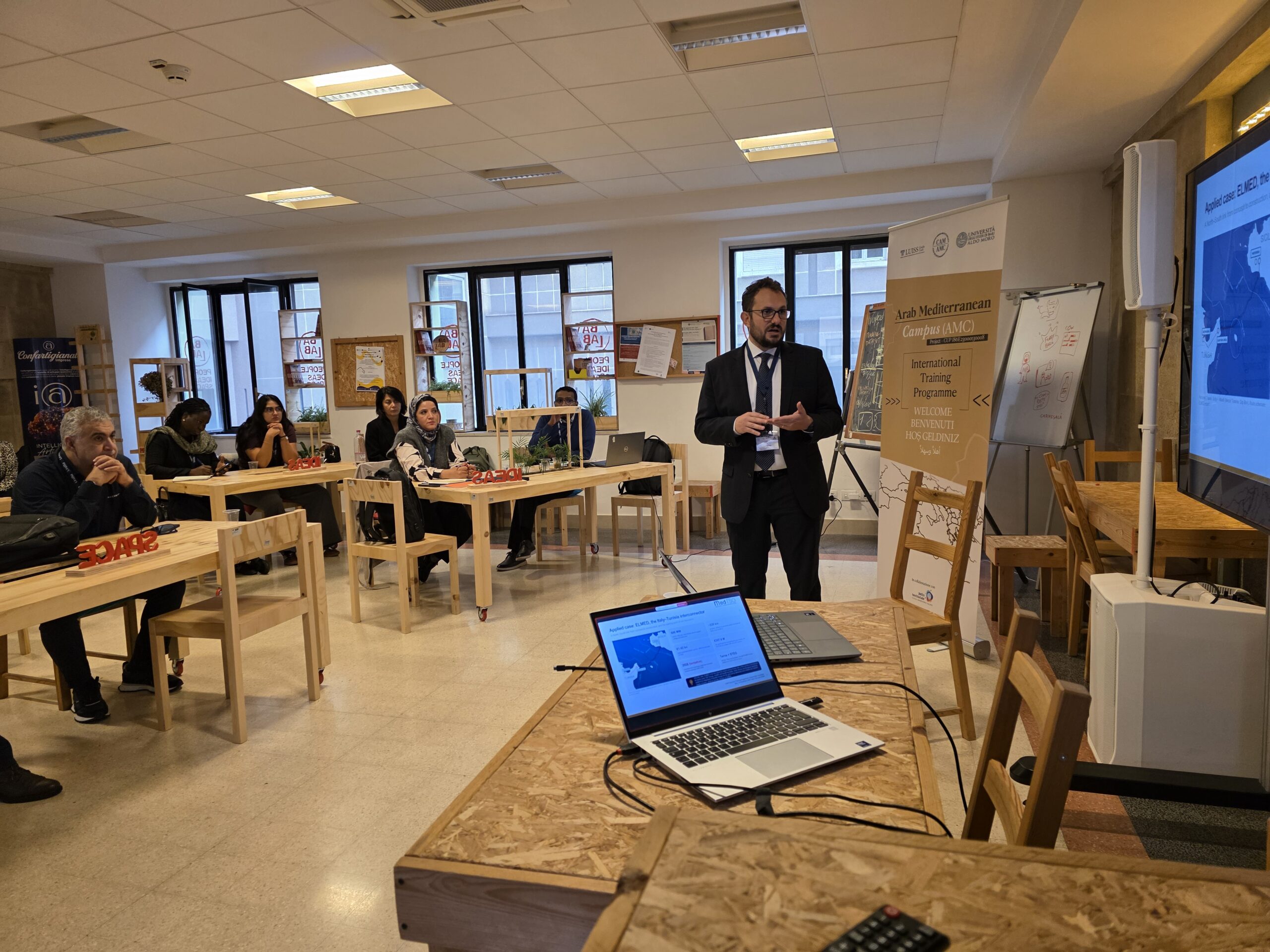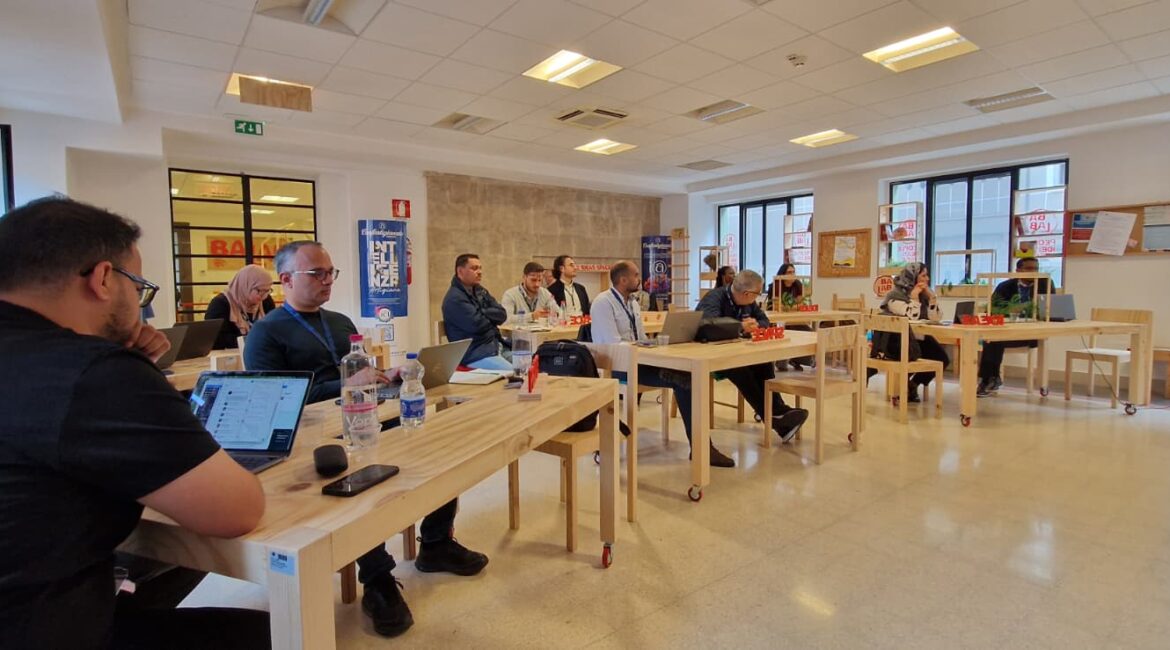
Yesterday Med-TSO representatives intervened in the in-person module of the “Energy Regulation,
Economics and Sustainable Energy Systems in the Mediterranean and MENA Region” organized
by the University of Bari Aldo Moro. This module is part of the Arab-Mediterranean Campus (CAM) project, in collaboration with Luiss Guido Carli University.
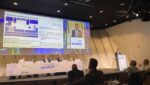
Ahmed Elshami, our Technical Officer, intervened in the first session “Energy Corridors and
Mediterranean Interconnections”. This session underlined how an energy corridor has not to be merely considered as a single cable, but as a comprehensive chain of interconnections and grid reinforcements designed to transport large volumes of electricity across borders.
He also highlighted that while individual interconnections serve as the building blocks, it is through Med-TSO’s role in coordinated planning and operation that they evolve into true energy corridor and that driven by future demand, the growth of renewable energy sources, and current system fragmentation, stronger regional integration has become essential.
He concluded the session emphasizing that the primary challenge is no longer just physical infrastructure, but rather the pressing need for enhanced coordination, data exchange, and operational integration, also illustrating future perspectives at 2040 horizon through the main outcomes of the Teasimed 2 project, the Mediterranean Energy Scenarios report, and the Mediterranean Electricity Interconnection perspective.
In the second session, “Cross-Border Transmission Planning, Grid Resilience and Security of
Supply”, he illustrated the path from cross-border transmission planning to security of supply, highlighting the need for a coordinated adequacy assessment driven by probabilistic
methodologies. It detailed the essential components of the Med TSO assessment framework, including climate data (PECD), modeling inputs, and regional energy mixes.
Finally, the session revealed the adequacy results for the 2026 Summer Outlook and the 2027 and 2030 Mid-term Assessments by comparing interconnected versus isolated operations, ultimately emphasizing future flexibility requirements and the critical value of cross-border interconnections.
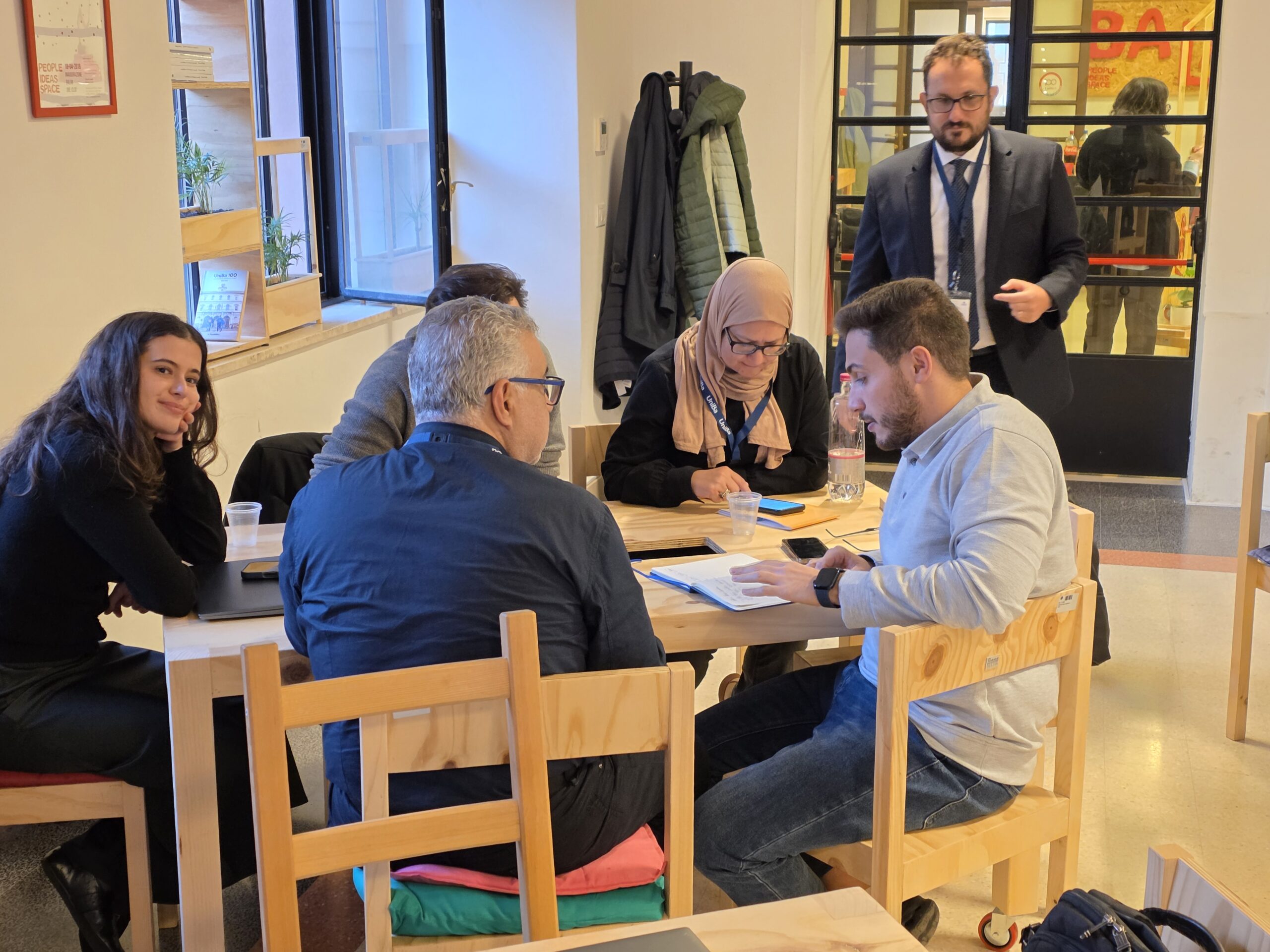
After a first online lesson held last week highlighting the critical priorities for cross-border
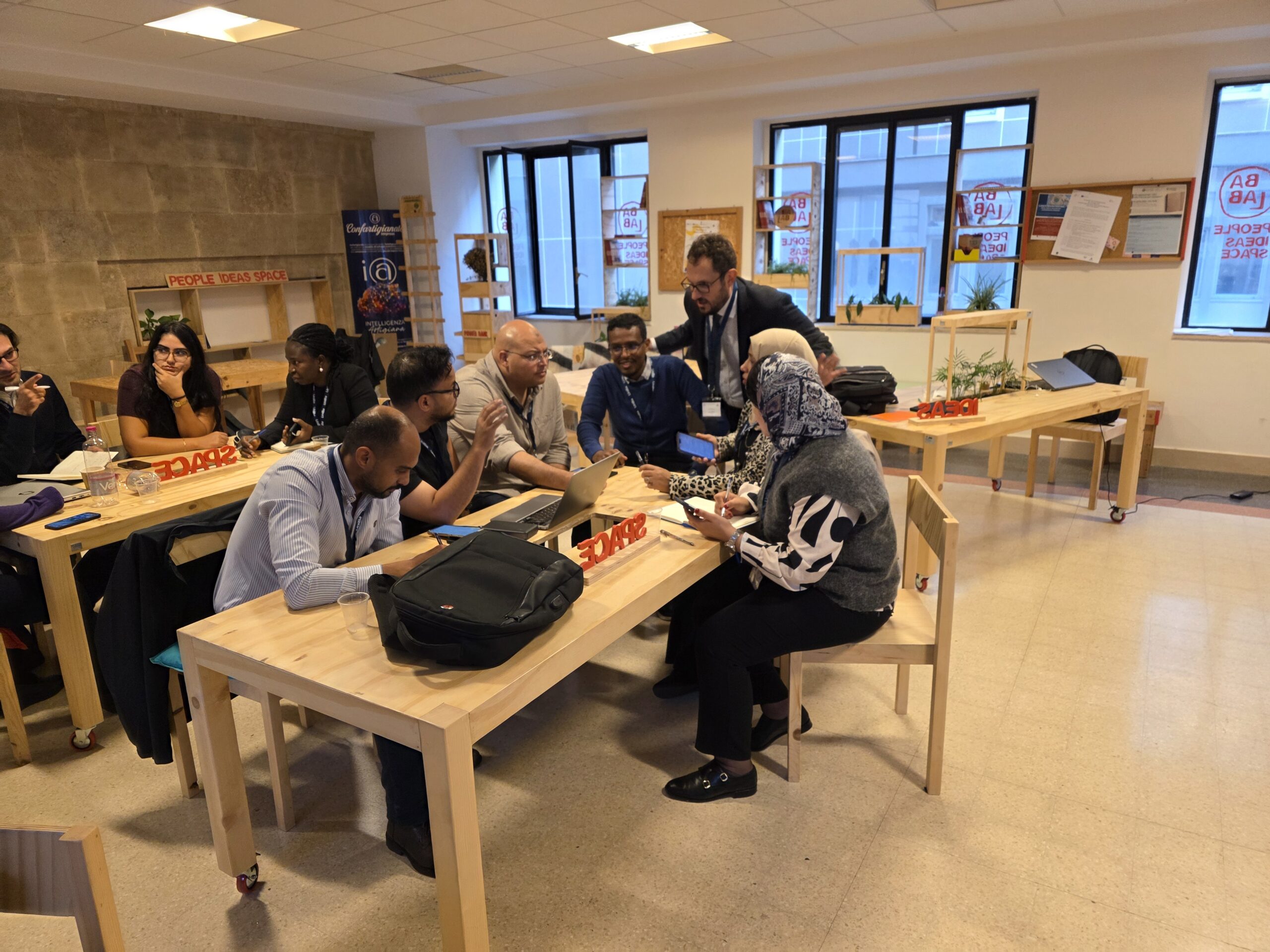
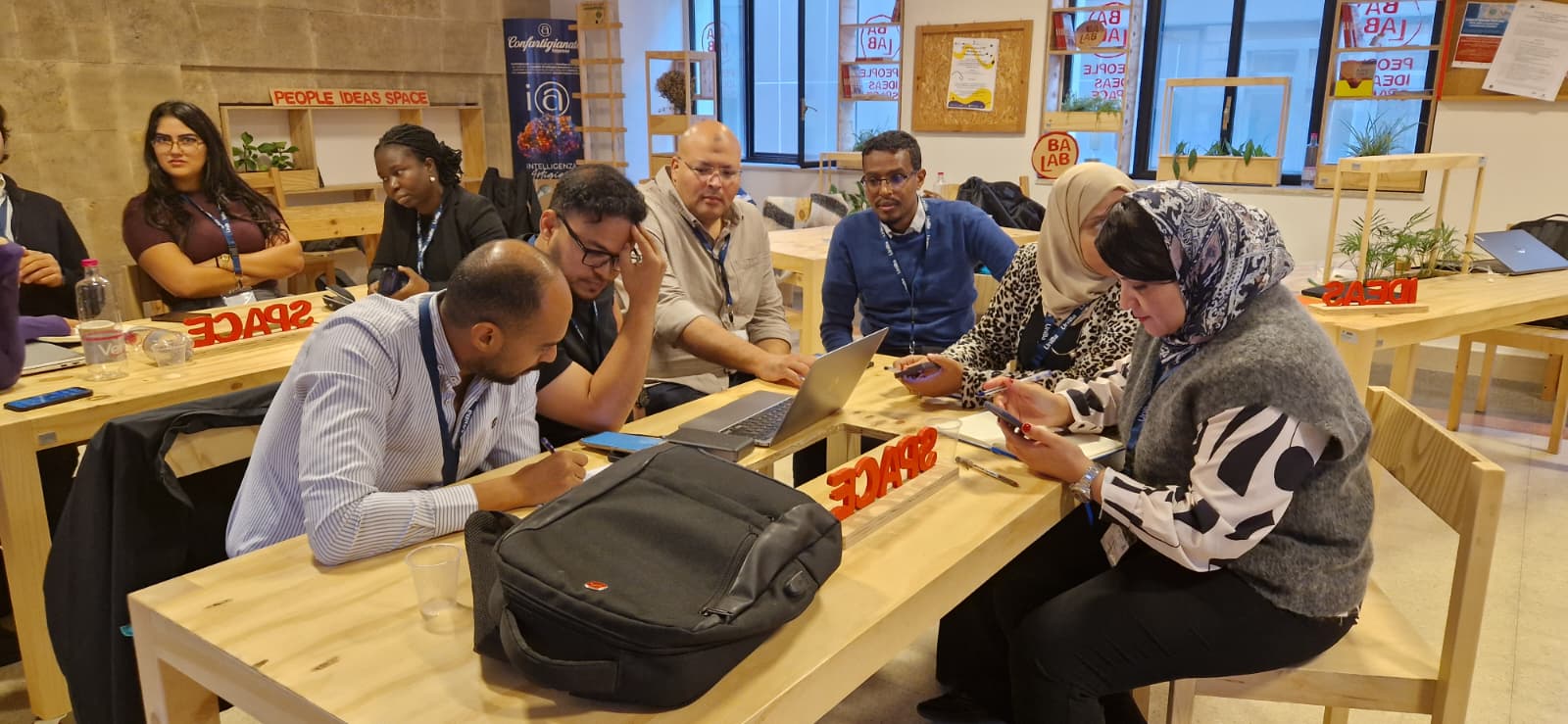
integration, Luca Ruffino, our Program Officer, conducted a Stakeholder Roundtable on real cases, asking them to identify the main barriers for each case, debate the top three with an actor that should tackle these barriers, and to name the benefit your case would bring to the region.
By sharing their insights during such an high level event, our expert actively contributed to fostering a more integrated and sustainable energy future for the Mediterranean and MENA region.