Med-TSO and Key Energy Stakeholders to Shape Long-Term Mediterranean Power System Scenarios (2040–2050)
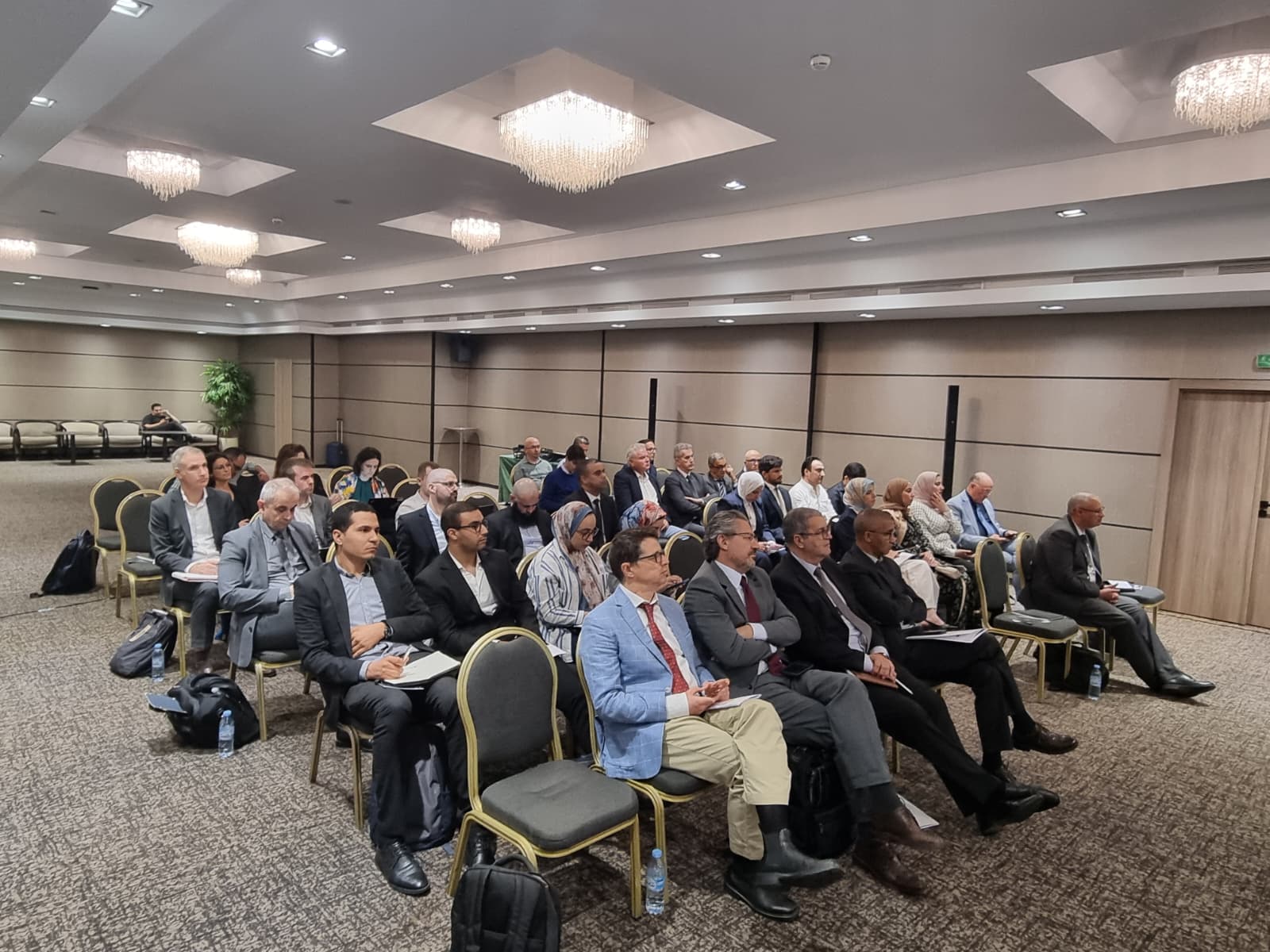
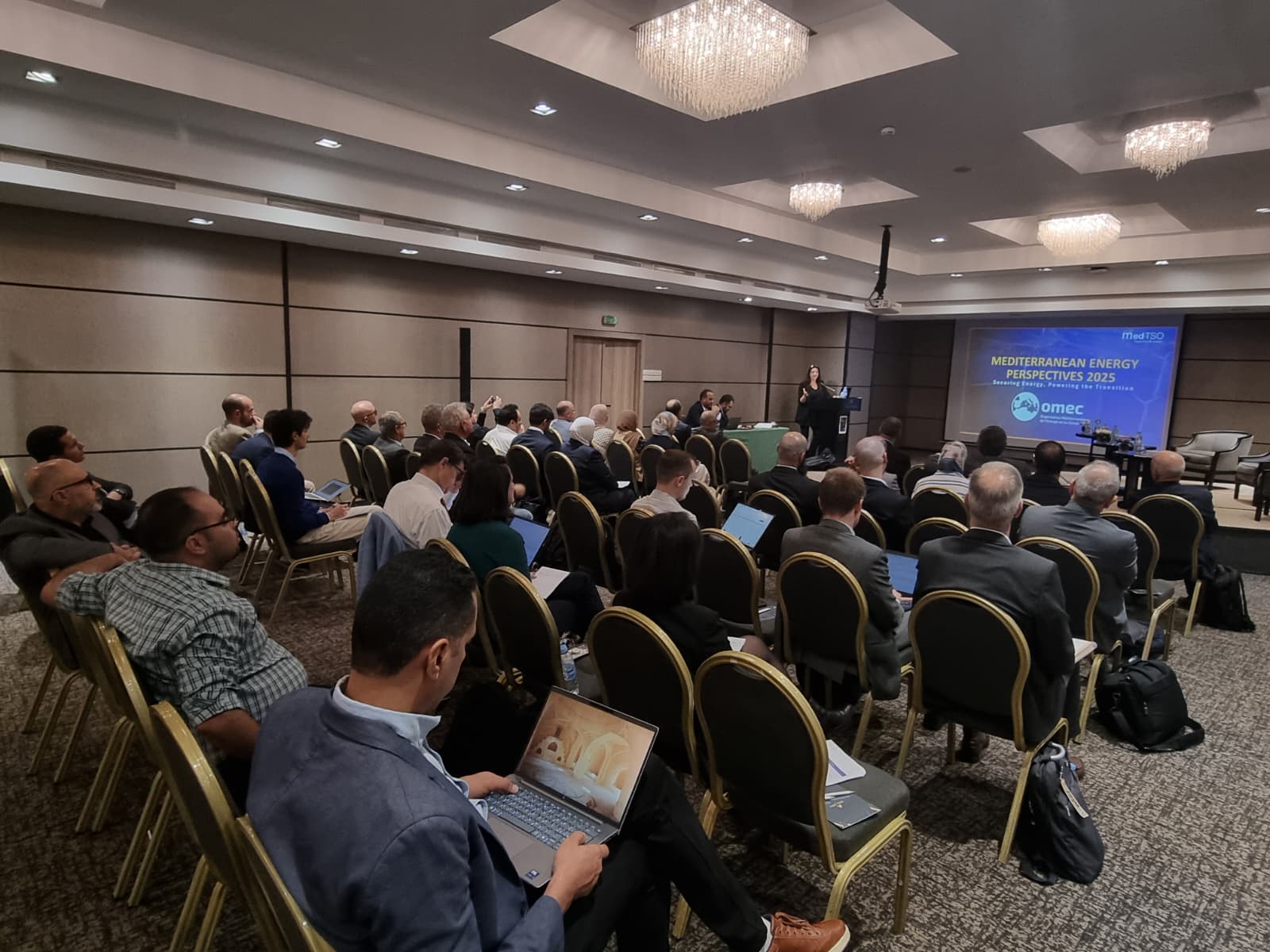
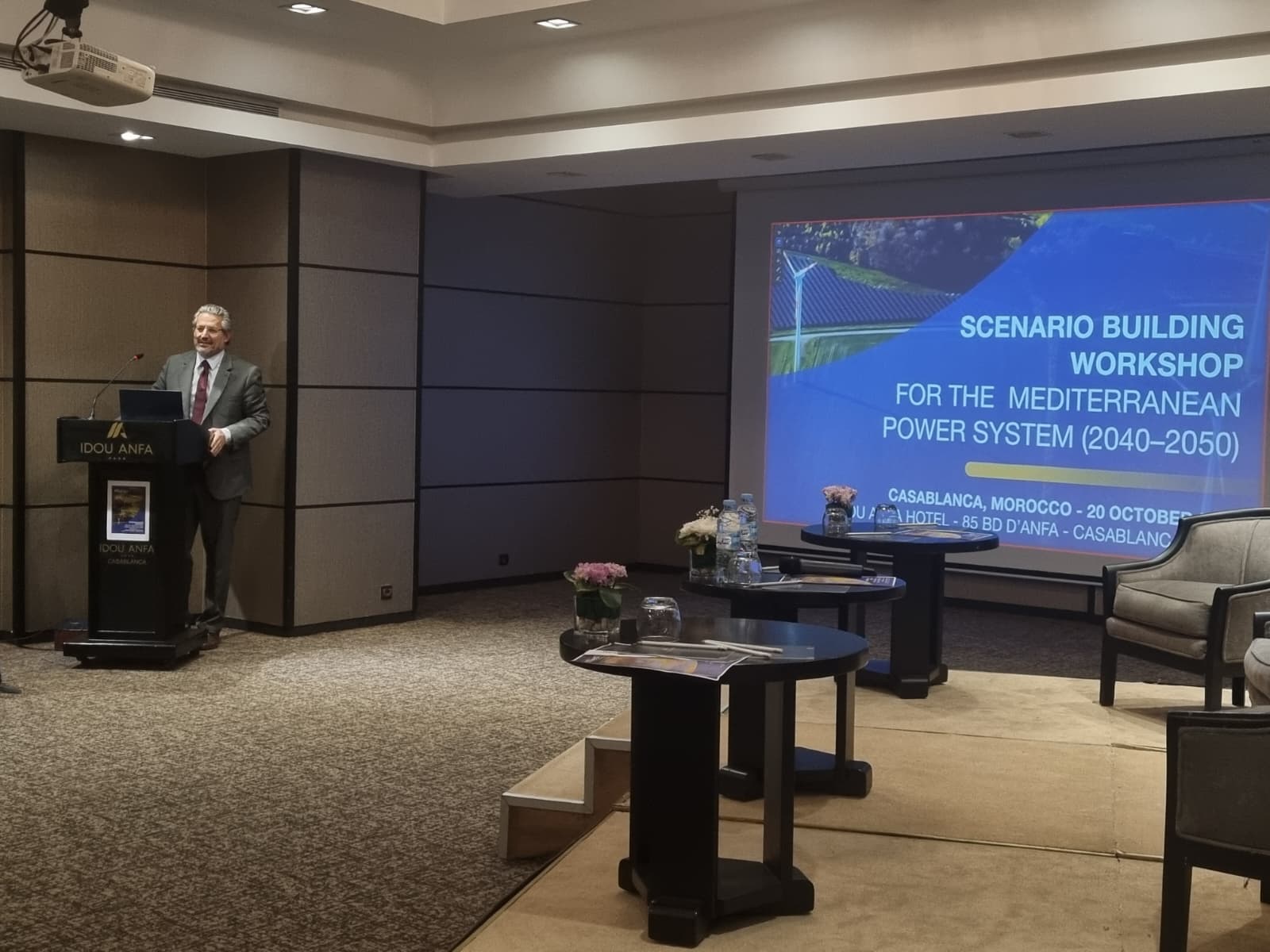
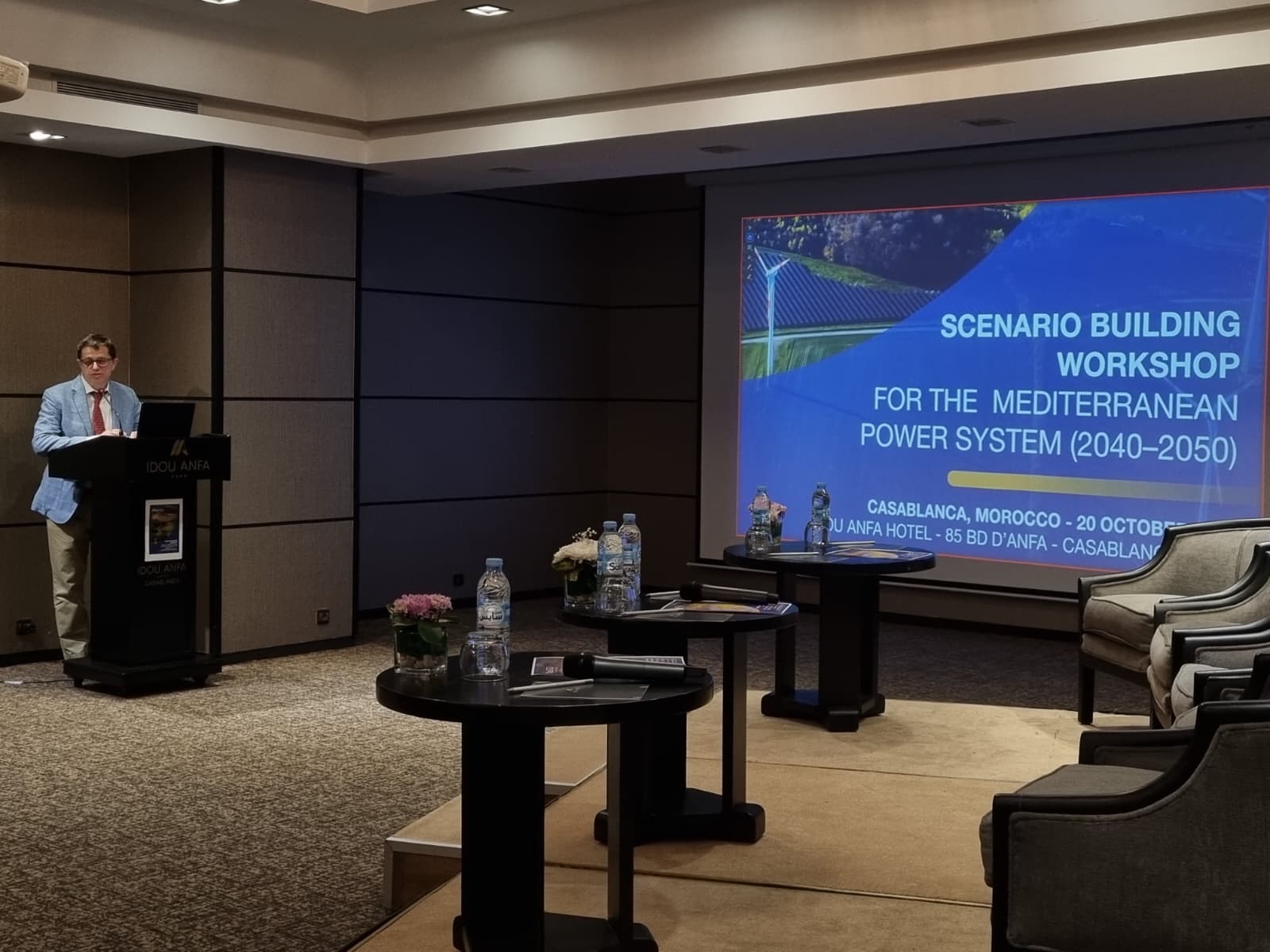
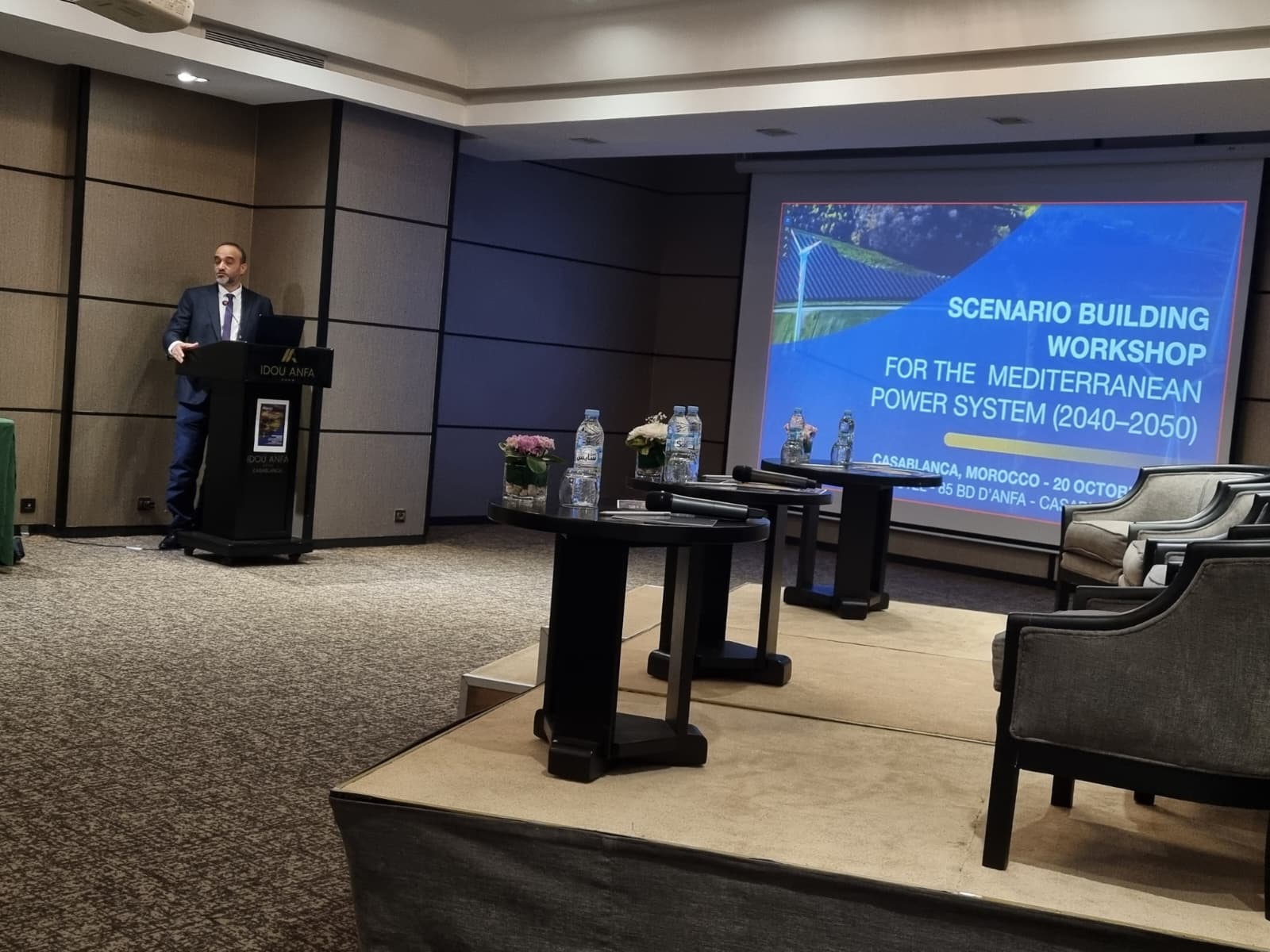
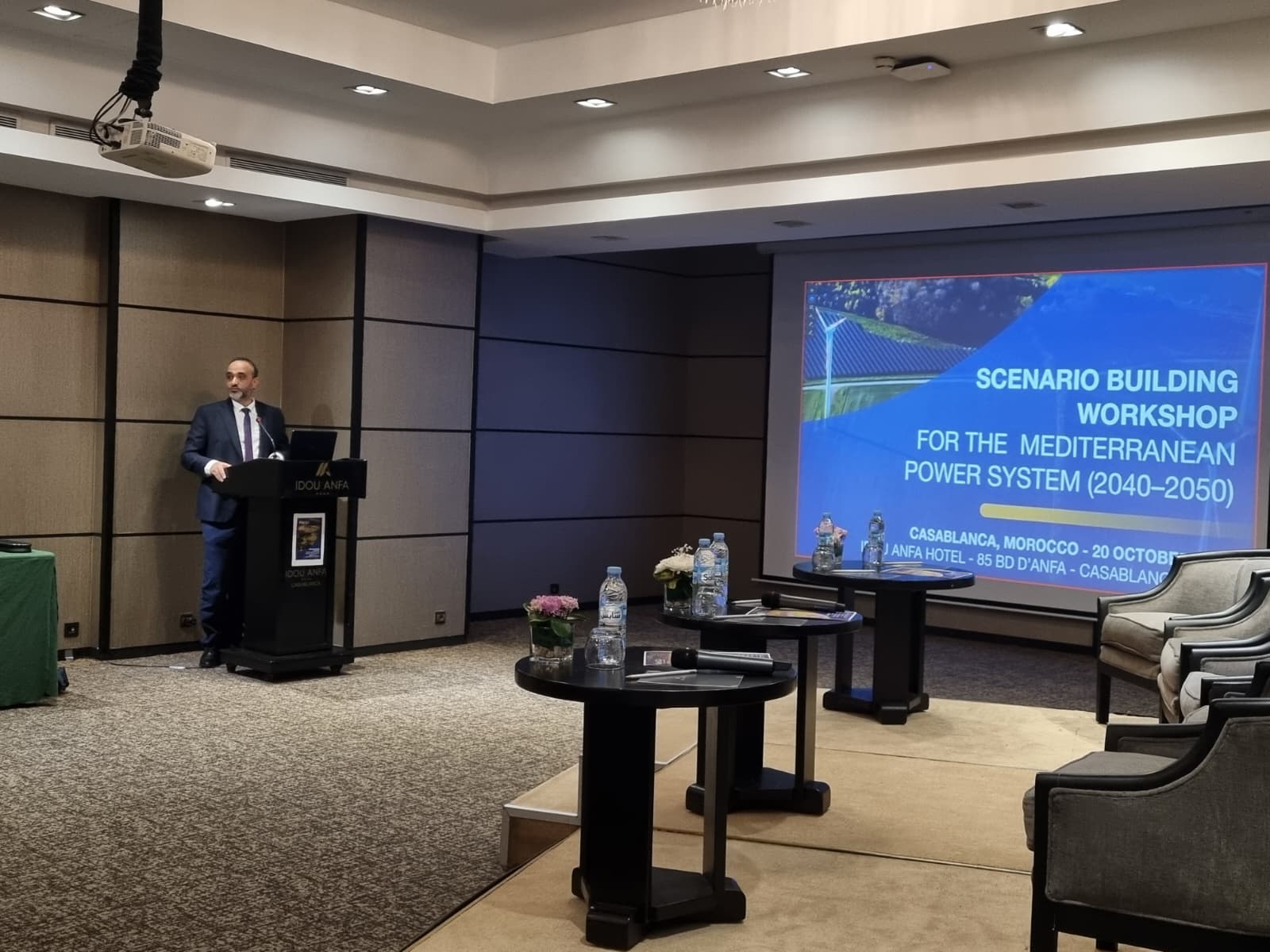
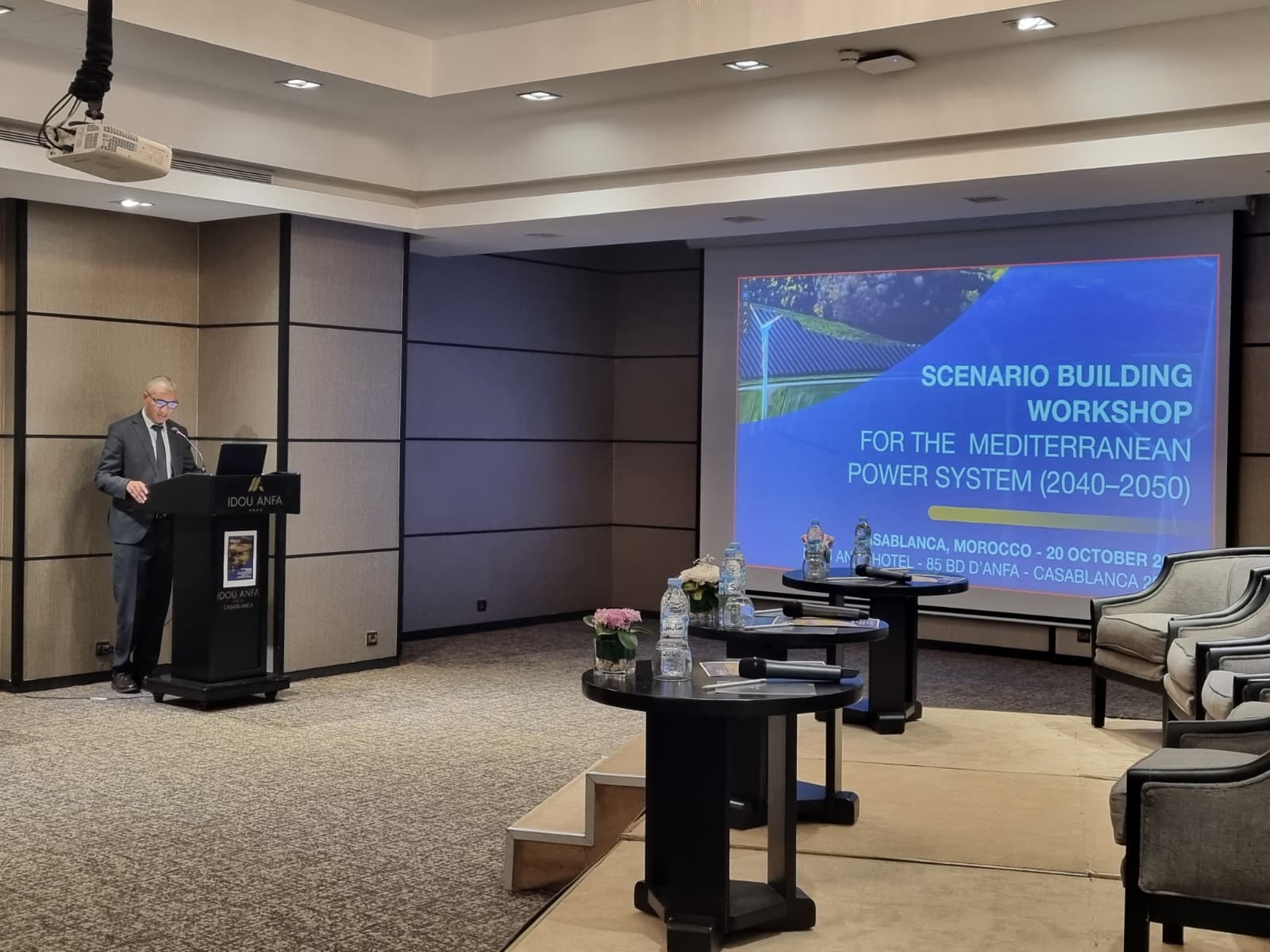
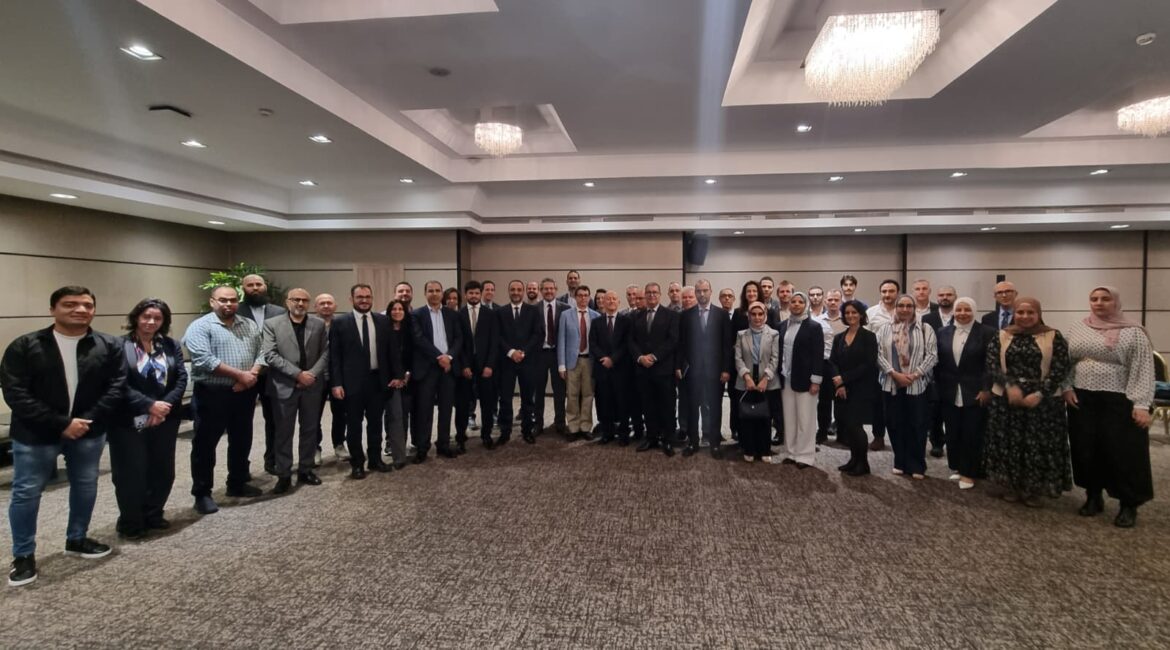
Med-TSO convened regional and international energy leaders in Casablanca on Tuesday, 20 October 2026, for the Workshop on Scenario Building for the Mediterranean Power System (2040–2050), one of the main goals of the European Union co-founded TEASIMED 3 project.
The workshop gathered institutional leaders and international organisations to initiate an open consultation process prior to building Med-TSO’s scenario storylines and launching harmonised regional data collection. These shared, long-term scenarios—spanning the 2035, 2040, and for the first time, 2050 horizons—will directly underpin the upcoming Mediterranean Masterplan and the Cost-Benefit Analysis (CBA) of priority cross-border interconnection projects. The initiative aims to direct infrastructure investments and system enhancements required to integrate renewable energy, meet escalating demand, and bolster regional energy security.
A milestone of this cycle is the inaugural introduction of the 2050 horizon, designed to evaluate power system trajectories against mid-century emission targets while addressing deep electrification and evolving system-flexibility demands across the Mediterranean basin.
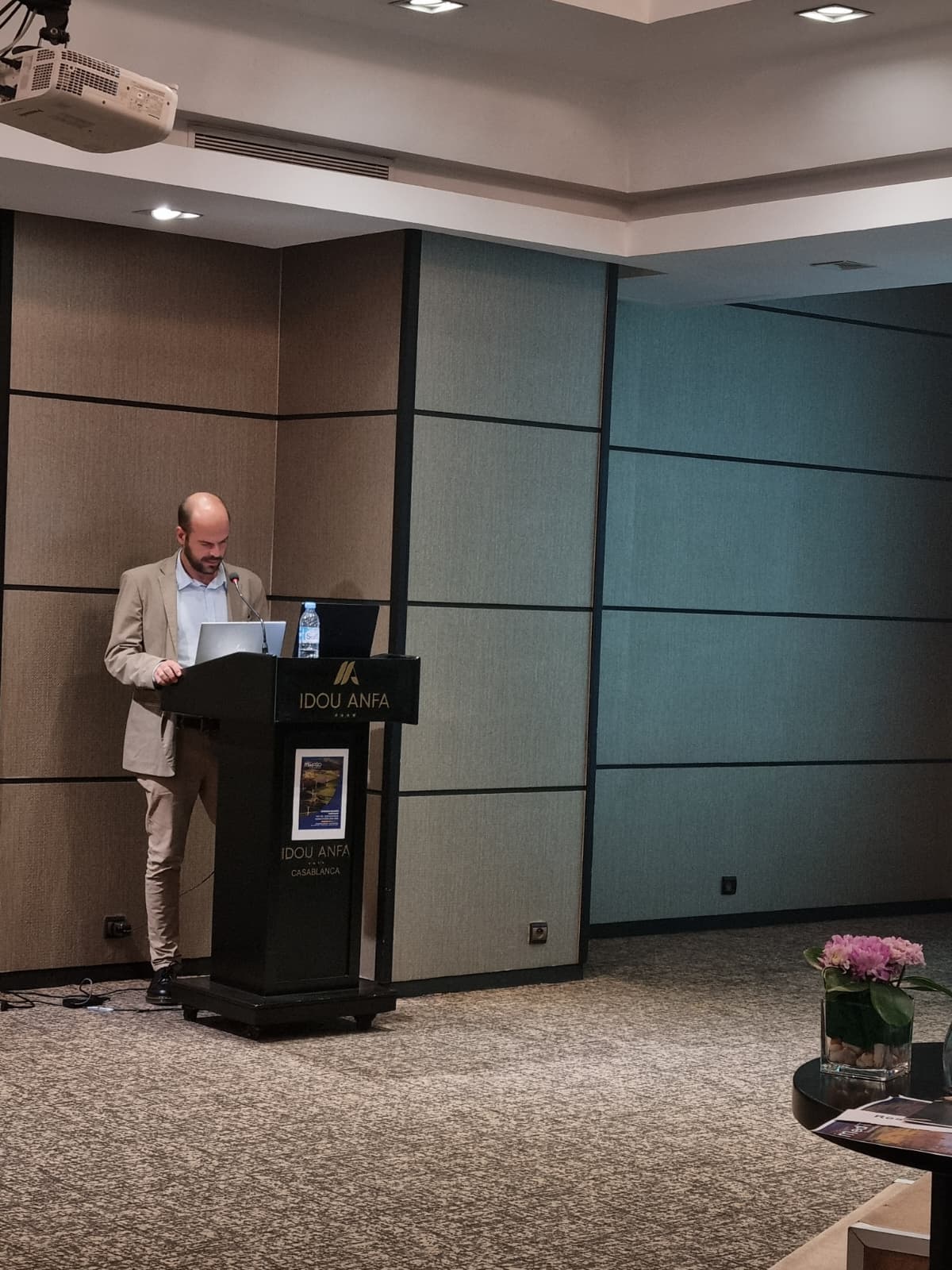
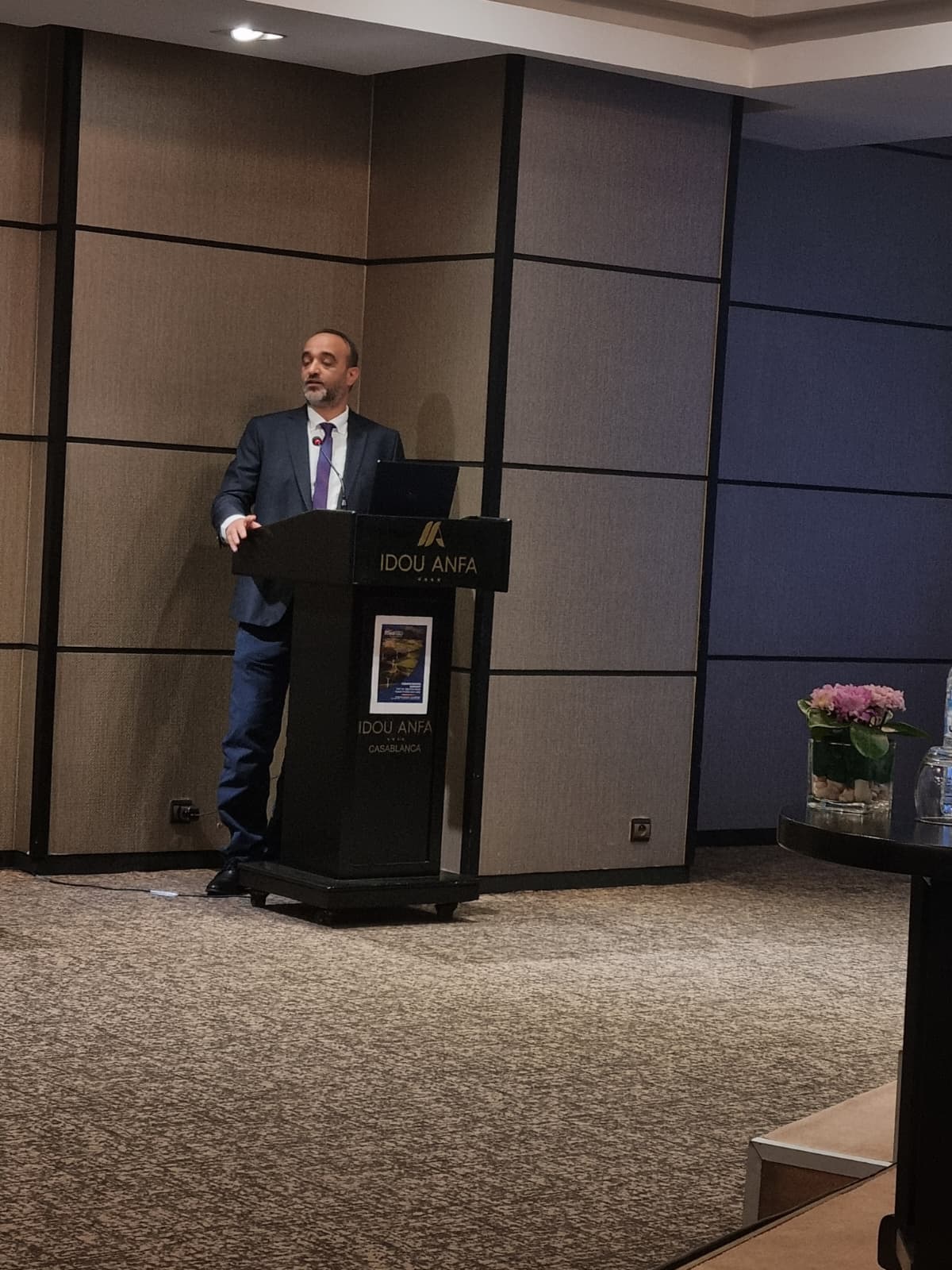
The workshop brought together high-level representatives from ONEE, Morroccan Government, European Commission, AUDA-NEPAD ENTSO-E, OMEC, IEA and MEDREG, who engaged in an open, forward-looking exchange of visions and long-term outlooks alongside Med-TSO members.
Following a warm welcome from Angelo Ferrante, Secretary General of Med-TSO, who underlined that the scope of this workshop is to create an open session to share visions, key assumptions and listen to lay the foundation of future activities, the sessions officially opened with an address by Khalil Lagtari, Director for International Cooperation and External Relations at ONEE, who underlined how planning for the future is not simply about how much electricity is needed, but also about exploring different possible futures, understanding the forces that could shape them and preparing our systems to remain robust under different conditions. Med-TSO scenarios would support our future planning studies, including the Mediterranean Master Plan and the assessment of priority interconnection projects.
Mr. Lagtari was followed by H.E Mohamed Ouhmed, Secretary General of the Moroccans Minister of Energy, who shared the host nation’s perspective on accelerating the energy transition, highlighting the role of Morocco as a bridge between Africa and Europe, and how renewable integration and grid stability must progress hand in hand.
Andrea Vera, Head of Sector for Green Transition and Connectivity at the European Commission (DG MENA), then took the floor to provide an overview of the Pact for the Mediterranean and the T-Med initiative, explaining that it aims at facilitating private investments at large scale in renewable electricity, in renewable hydrogen, in energy efficiency and in clean tech sectors in partner countries in the Middle East, North Africa region and also at accelerating investments in strategic infrastructure, notably to enhance renewable energy trade, both hydrogen and electricity across the Mediterranean.
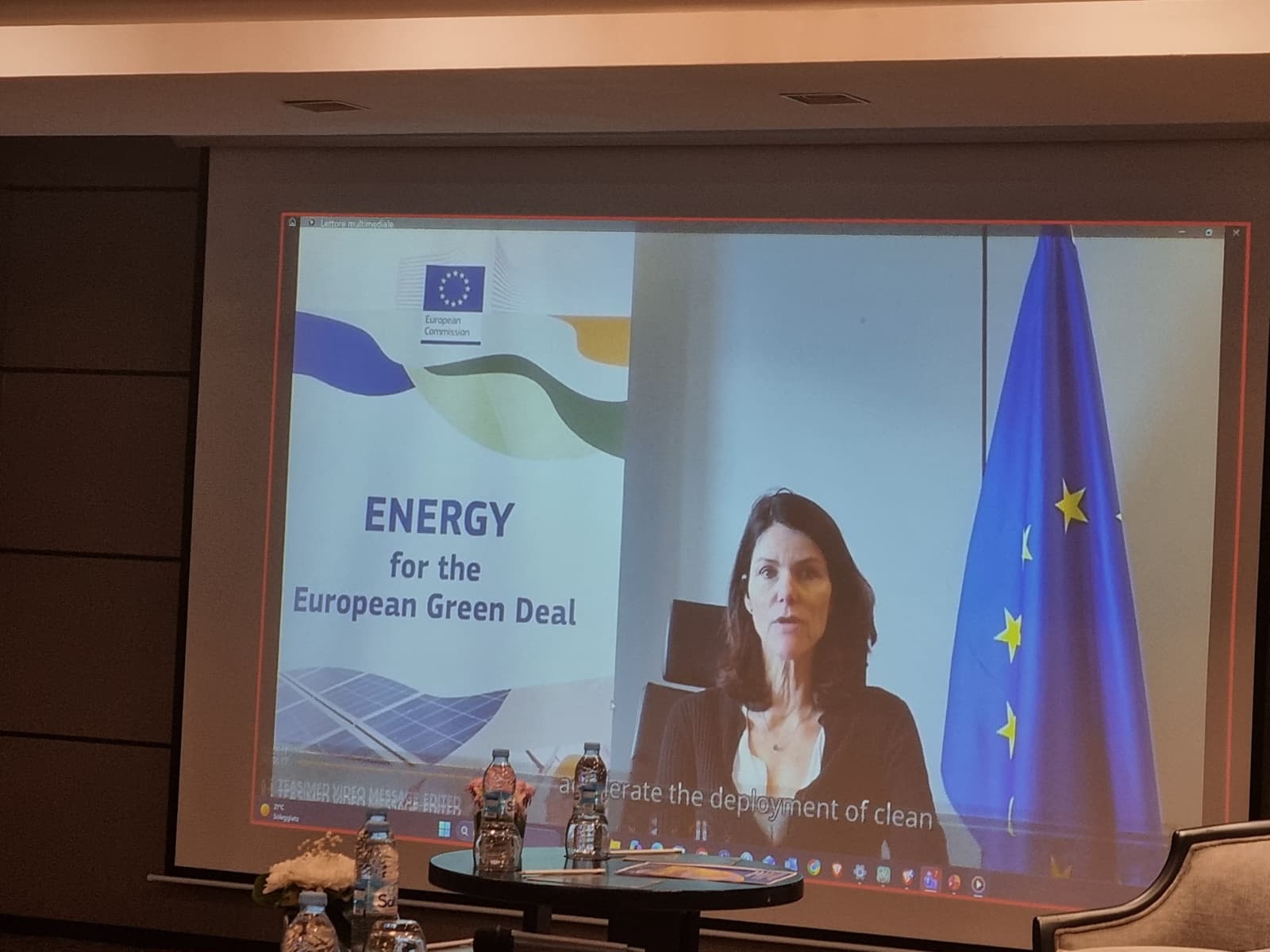
Mechthild Wörsdörfer, Deputy Director-General of DG ENER, also underlined in her video message the importance of private investment in strengthening regional cooperation and the deployment of clean technologies.
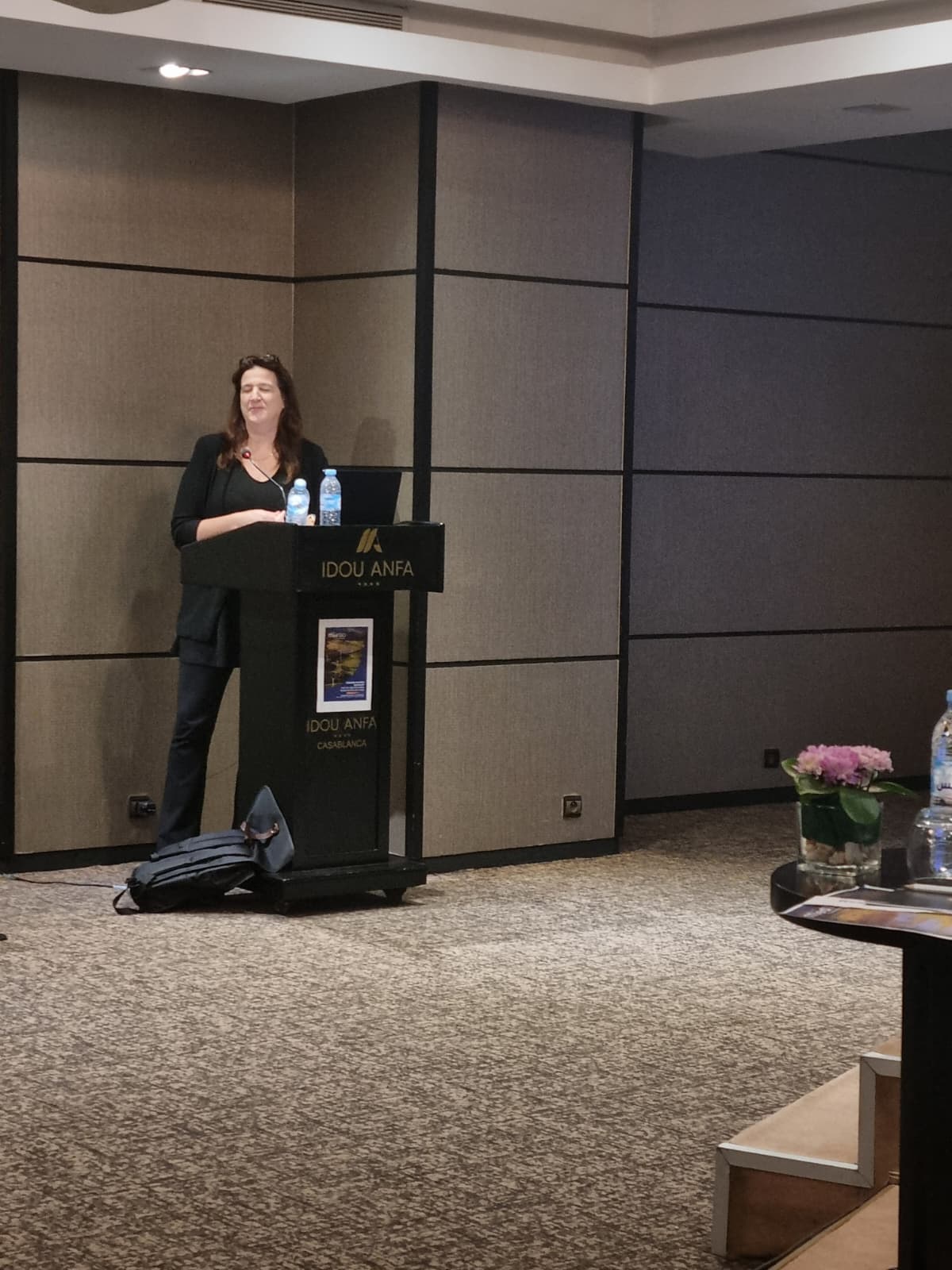
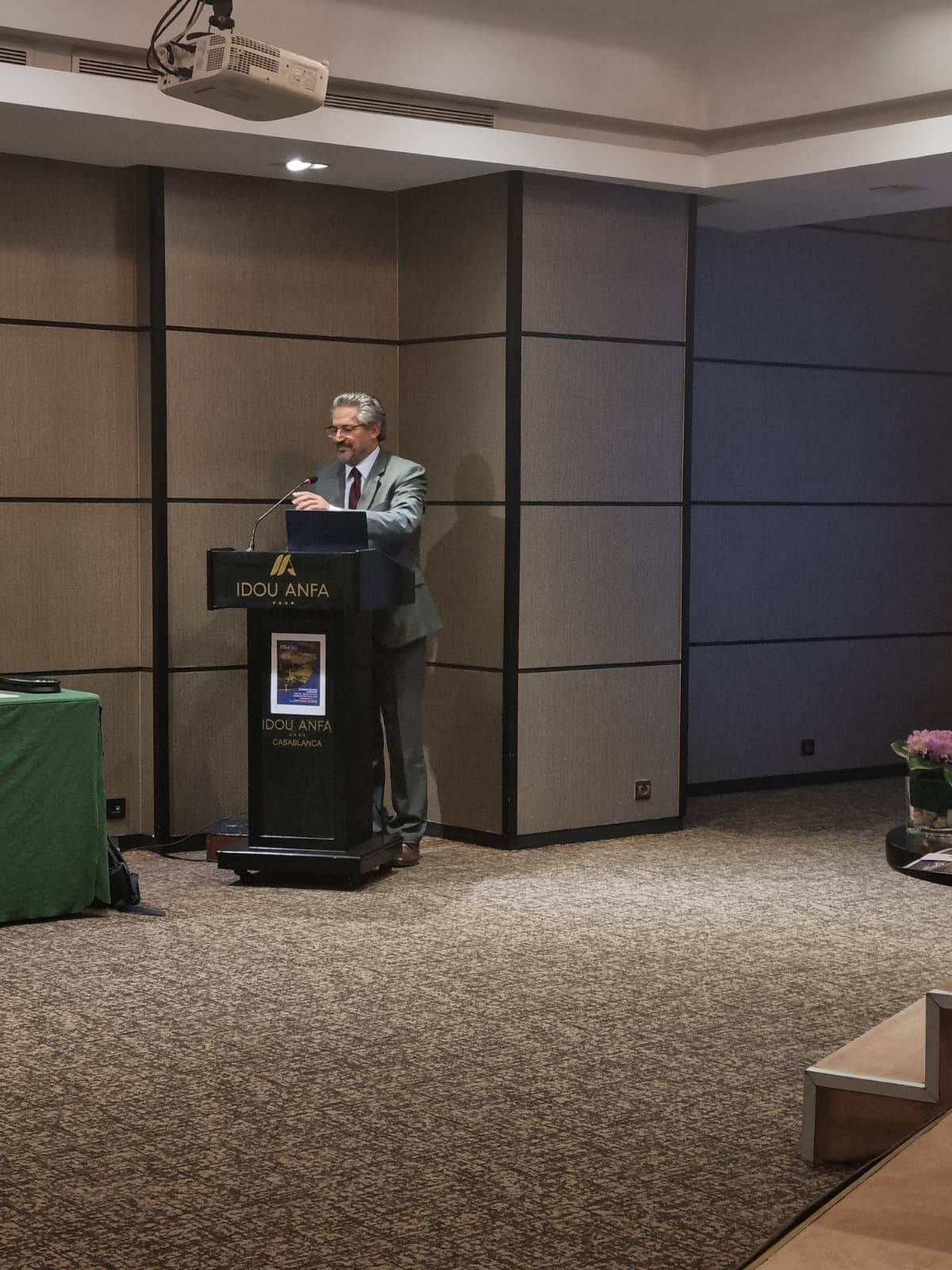
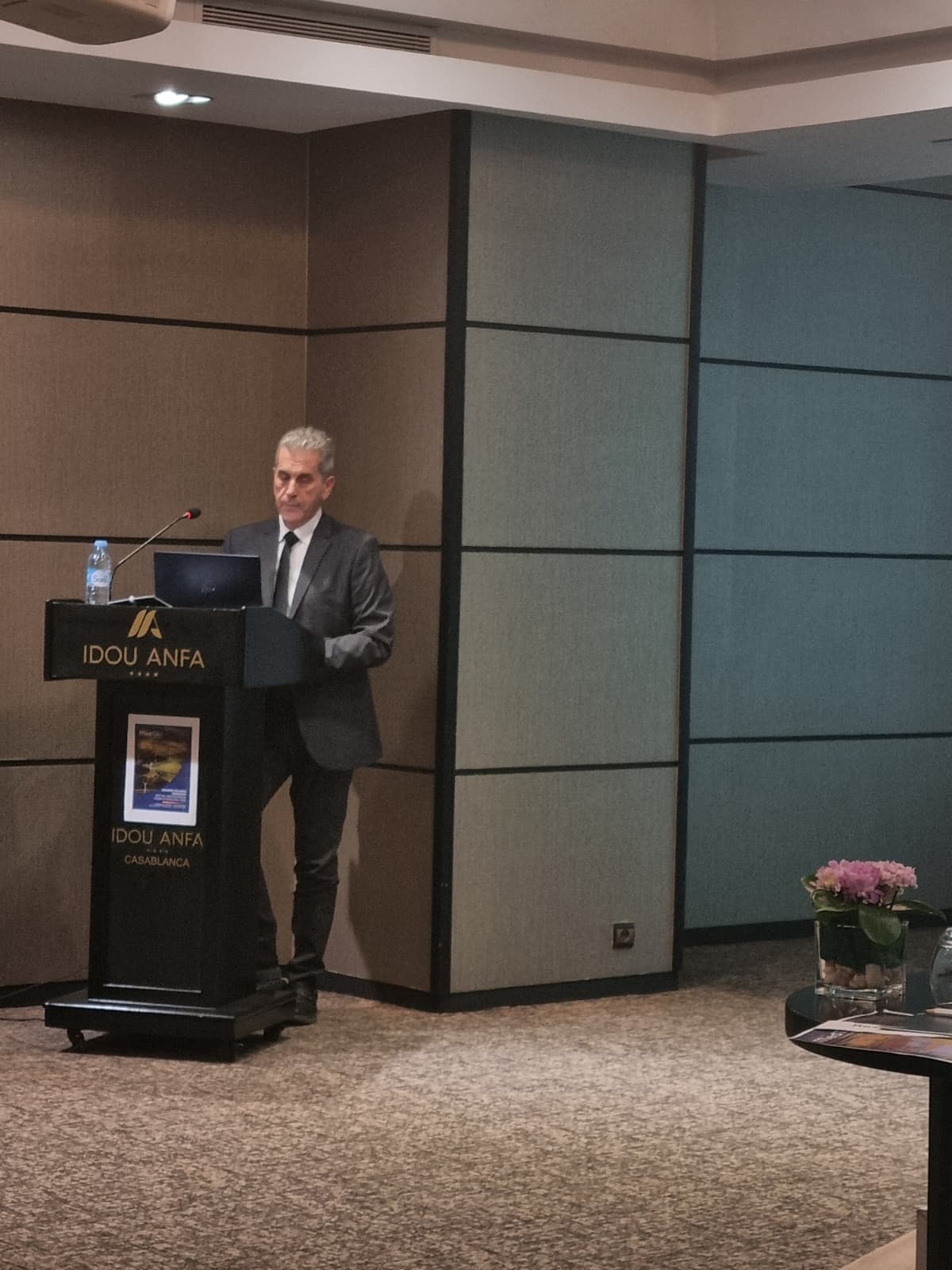
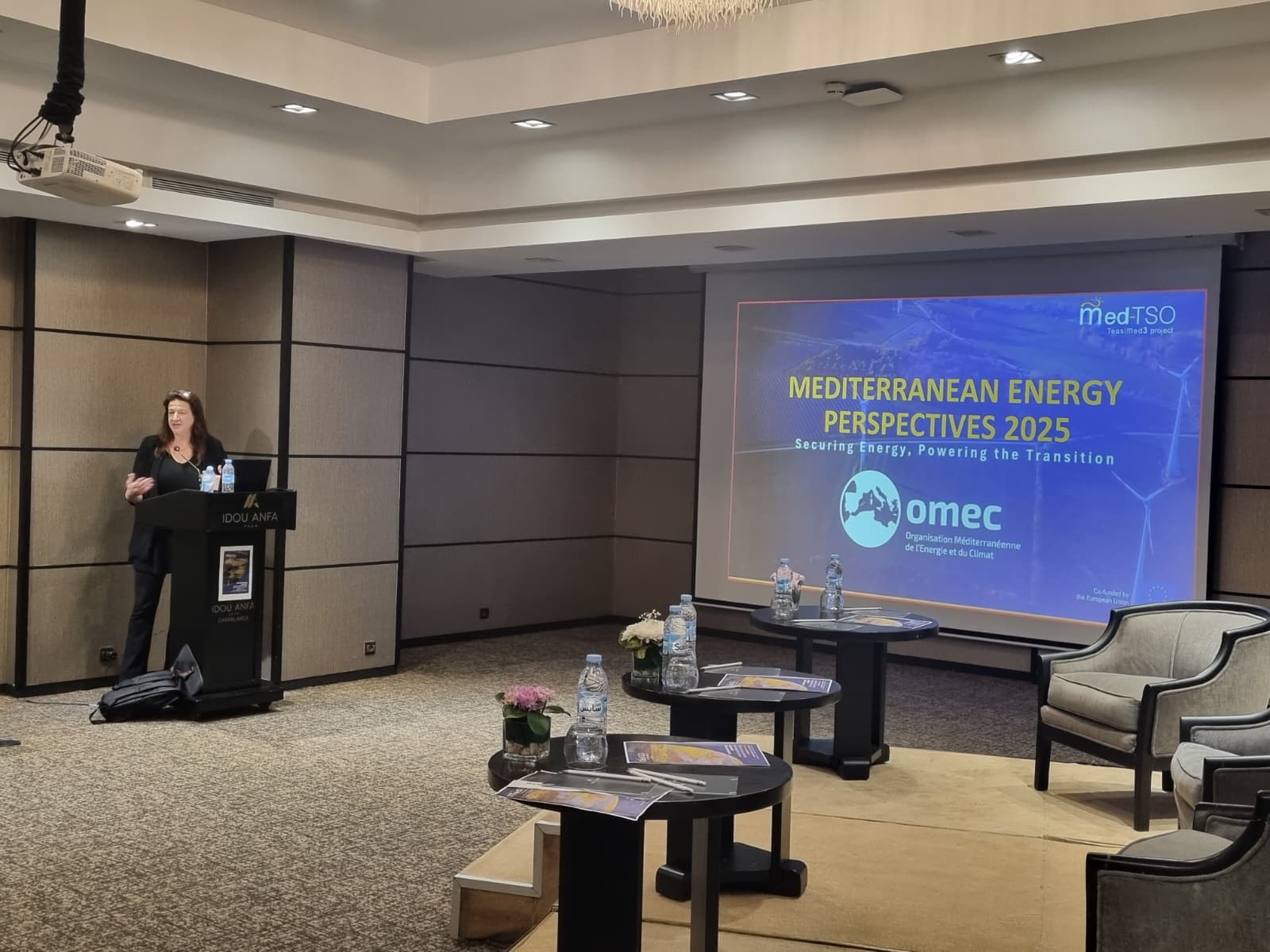
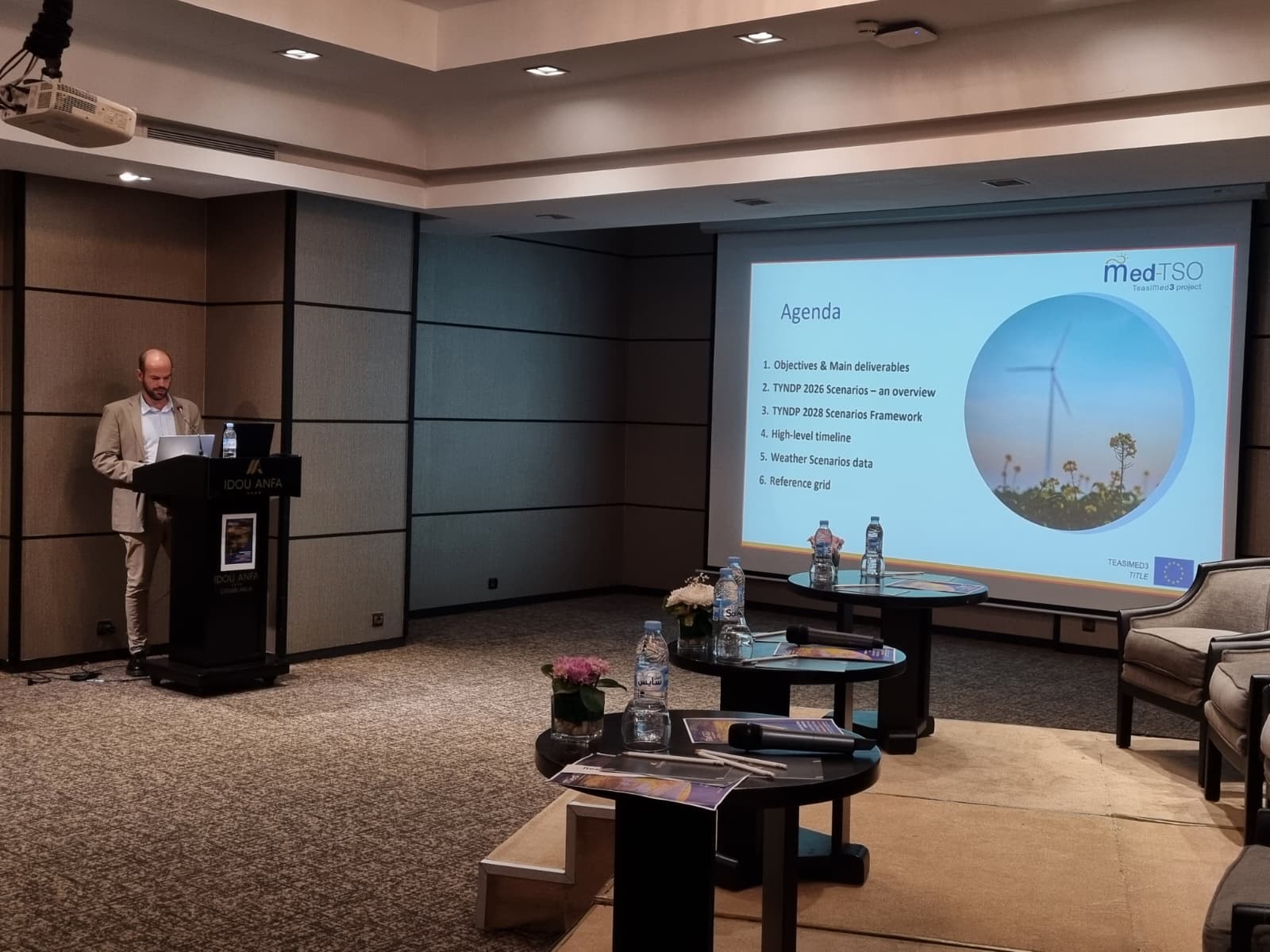
The technical dialogue proceeded with Tichakunda Simbini, Principal Programme Officer for Energy at AUDA-NEPAD outlining the policy effort of the African Union for the integration of the continent. Complementing this perspective, Eduardo Hermes, TYNDP Team Leader at ENTSO-E, presented the TYNDP 2026 scenario storylines and their demand-side building blocks such as electrification and efficiency. Bringing the morning session to a close, Lisa Guarrera, Director of the Monitoring and Modelling Division at OMEC, walked participants through OMEC’s Mediterranean Energy Perspectives 2025, highlighting primary energy dynamics, electrification trends, and the structural divergences between the northern and southern shores of the Mediterranean.
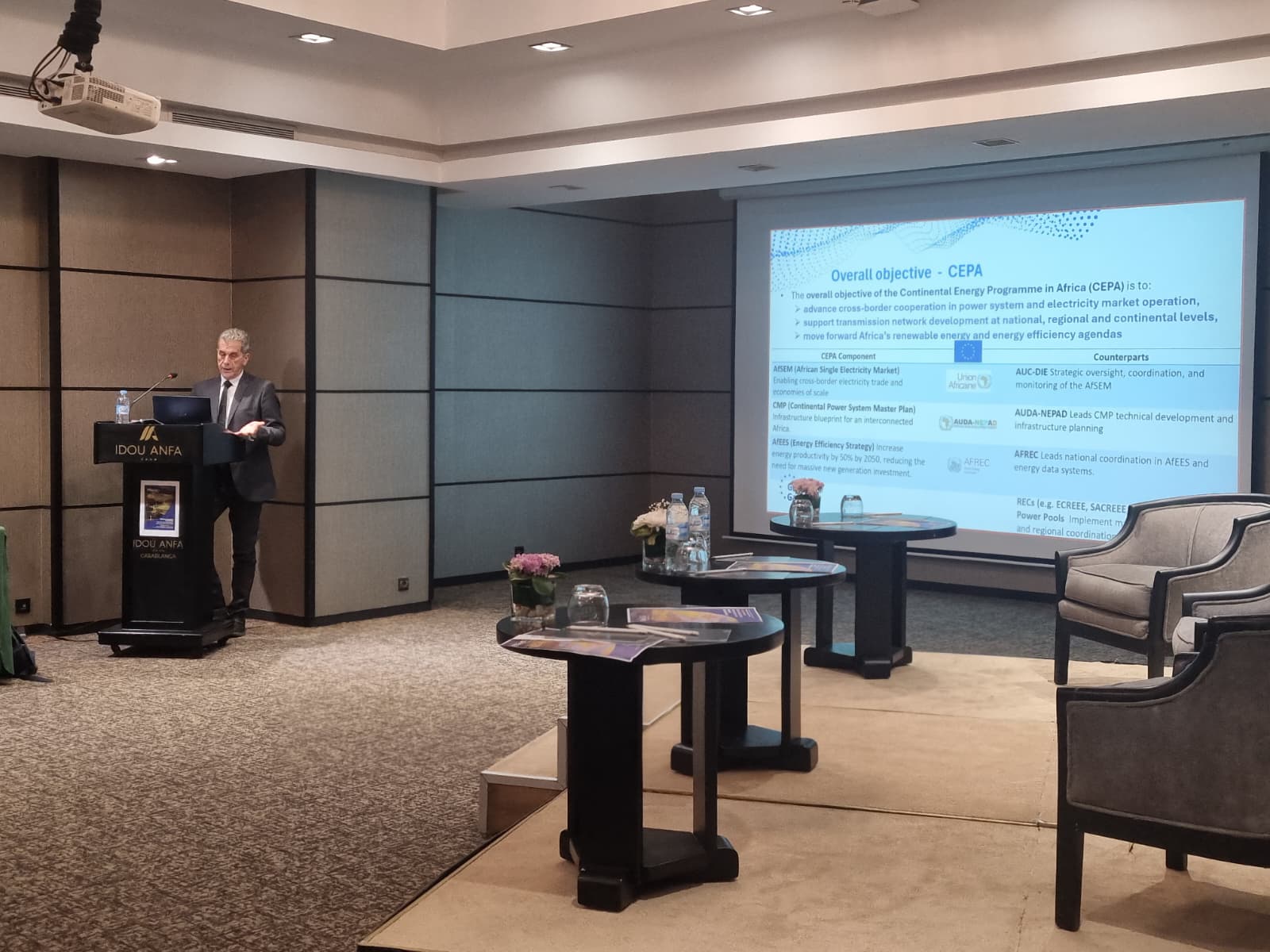
The afternoon discussions resumed with an insightful presentation by Yasmine Arsalane, World Energy Outlook Analyst at IEA, exploring global long-term pathways through 2050, demand drivers, and the evolving cost trajectories of clean technologies such as solar PV, wind, batteries, and electric vehicles. Building on the theme of continental planning, George Giannakidis, Senior Energy Consultant for the Continental Energy Programme in Africa (CEPA), presented the Continental Masterplan for Africa, focusing on generation and grid expansion designed to meet rising long-term demand.
To conclude an inspiring day of exchanges, Hasan Özkoç, Director of MEDREG, reflected on the crucial role of robust regulation in steering and grounding long-term energy scenarios,.
By weaving these diverse perspectives into a shared regional vision, the Scenario Building Workshop in Casablanca laid an important foundation for Med-TSO’s scenario-building process. The insights and consensus gathered will directly feed into the upcoming Mediterranean Masterplan and priority interconnection projects, fostering a more integrated, resilient, and decarbonised energy system across both shores of the Mediterranean.