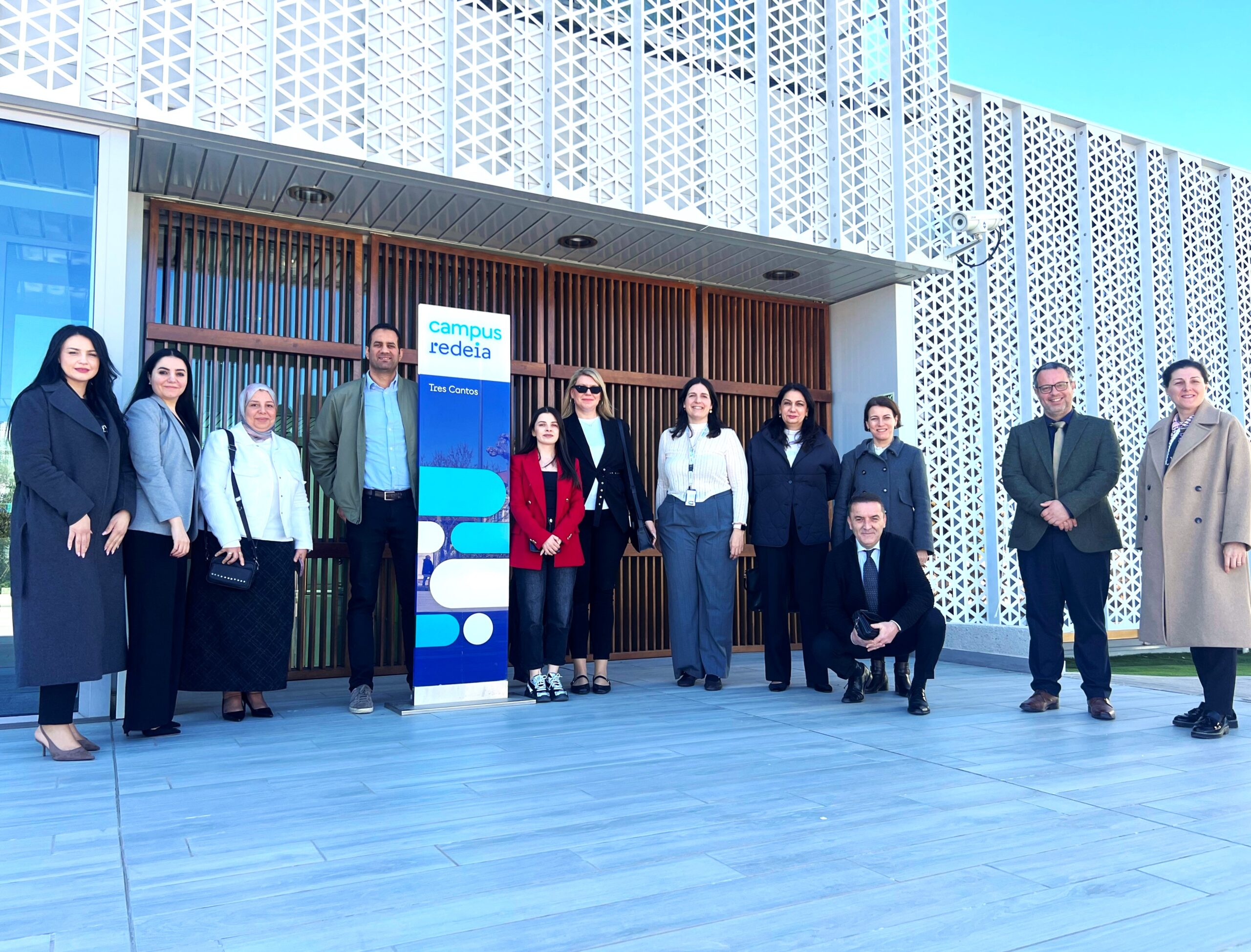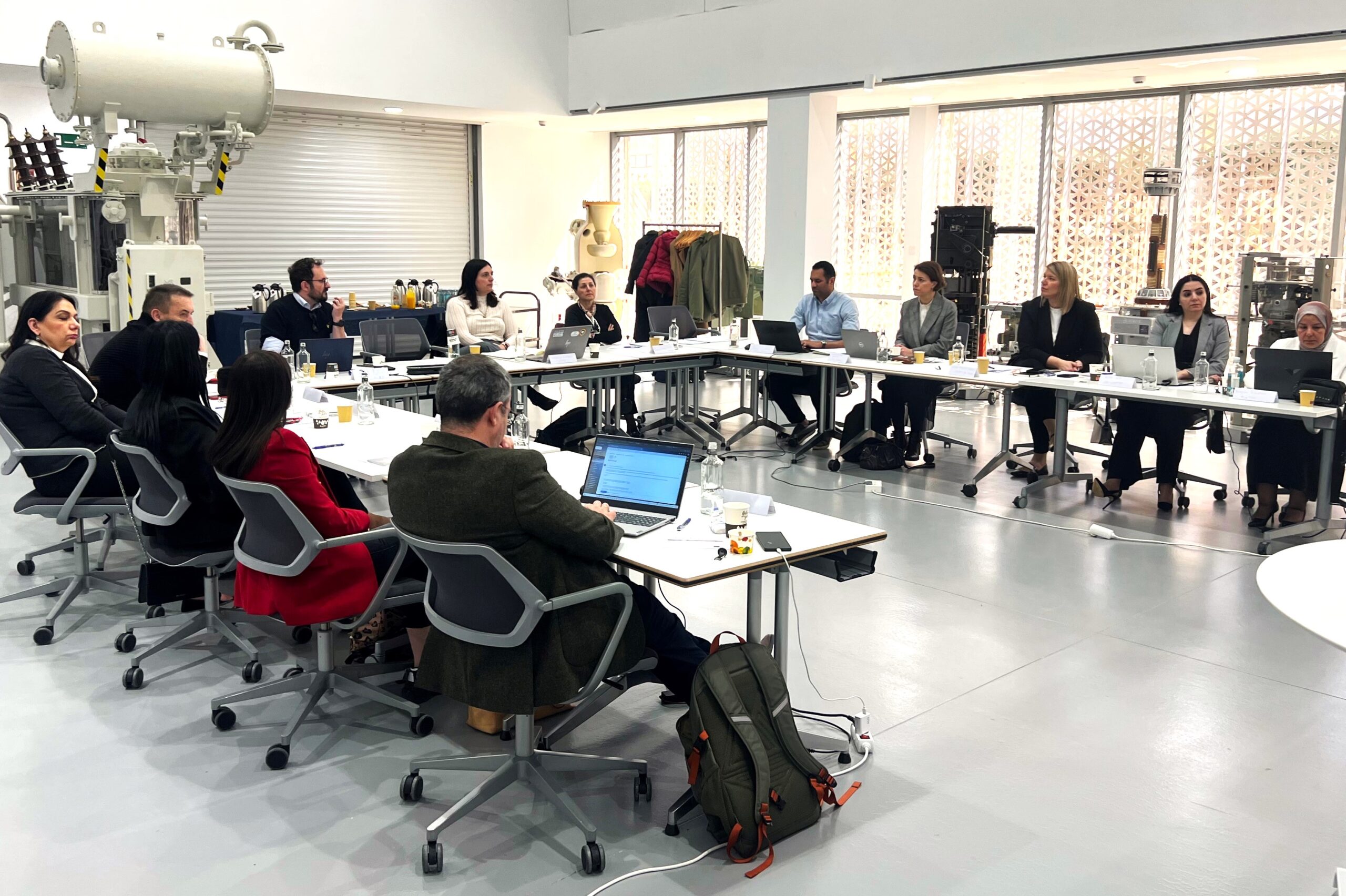
On 31st March, Red Electrica de España hosted in Madrid the first meeting in presence of Med-TSO Teasimed 3 project, a four-year project co-founded by the European Commission, started last January and lasting four years.
This meeting has been organised by the Technical Committee Knowledge Sharing, chaired by Patricia Esteban (RE, Spain), which has officially entered its inception phase, convening this pivotal meeting to transform the planned project ambitions into a structured operational reality.
Serving as the project’s intellectual engine, the committee focused on defining internal governance and clarifying the specific roles and responsibilities of its members toward both the Association and the overarching project.
A significant portion of the session was dedicated to the formal establishment of Task Forces focused on drafting project initiation documents, particularly for the outcome “Data Governance” which focuses on data governance and cybersecurity, and the outcome “Dissemination”, aimed at enhancing project dissemination.
These efforts were grounded in a detailed analysis of a recent survey results to ensure that member priorities directly inform the upcoming planning phases.
This survey aimed at assessing the strategic training priorities and knowledge-sharing frameworks required to deliver the four core outcomes of the TEASIMED 3 project: Enhanced RES Integration and Grid Security, a Regional Long-Term Planning Framework, Enhanced Integration of Mediterranean Power Systems, and Enhanced TSO Collaboration through Data Sharing. It captured insights from a robust group of 61 respondents among the TSOs member of the Association, spanning a vertical cross-section of expertise — from on-the-ground Engineers to Executive Directors.
Furthermore, the committee began coordinating with other technical bodies to streamline the management of future events, resulting in a preliminary 2026 Knowledge Sharing program for trainings and workshops tailored to regional needs.
By the conclusion of the meeting, the transition from high-level goals to a concrete framework was firmly established, setting a clear path of collaboration and enhanced data sharing in the coming years.